Fight Viruses With Food
In these times of uncertainty regarding our health and safety, it is important to be well informed (latest and from reliable sources) as well as being precautious.
COVID-19 seems to be more aggressive to older people as less than 3% of people infected worldwide are under 20 years of age, and only 0.2% of infected people who are under 40 years die from it. Also, infected children may not even present any symptoms at all until full recovery(1).
The best ways to protect yourself and your family from contracting the virus in the first place is to
– wash your hands often with soap, especially after going out
– avoiding crowded places, if possible
– avoiding close physical contact with others(2), especially people you’re not familiar with or that you know are confirmed to have the virus
– keep a healthy and balanced diet to keep your immune system strong and less susceptible to infections(3), including COVID-19
Now, I’d like to leave here some ideas of how to uplift your diet options to “boost” the immune system:
INCREASE THE AMOUNT OF VEGETABLES
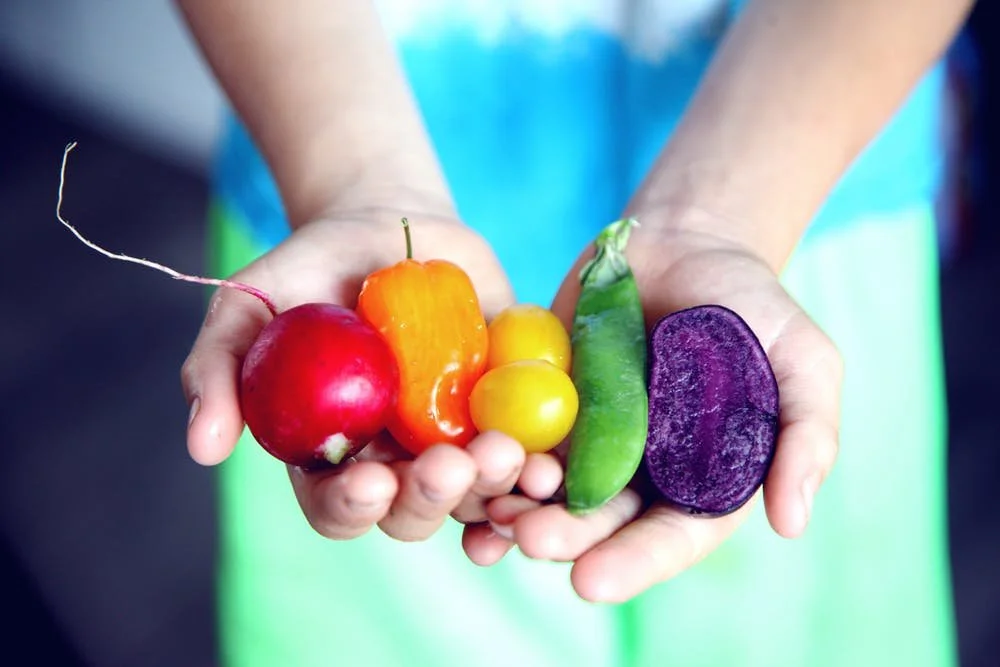
Photo by Sharon McCutcheon on Pexels.com
Adults should eat 2 and half cups of vegetables every day. Children should eat 1-2 cups every day(4).
Hot tips:
– Eat and serve those vegetables your family like the most and try to vary as much as possible, using vegetables of different colours every time you buy and cook
– Make soups, sauces and bake slices that you can ‘sneak’ crushed vegetables in
INCREASE THE AMOUNT OF FRUIT

Fresh fruit on yoghurt, photo by Fern Rodrigues.
Adults should eat 2 pieces of medium sized fruit (e.g. apple, banana, orange) every day. Children should eat one piece of those or two pieces of small sized fruit (e.g. apricot, nectarine, kiwi)(4).
Hot tips:
– Fruit can be fresh, canned or frozen
– Dried fruit can be served as a dessert, but not more than 30g or 1 ½ tablespoons per day
– Juices are not recommended
INCREASE THE AMOUNT OF HEALTHY FATS
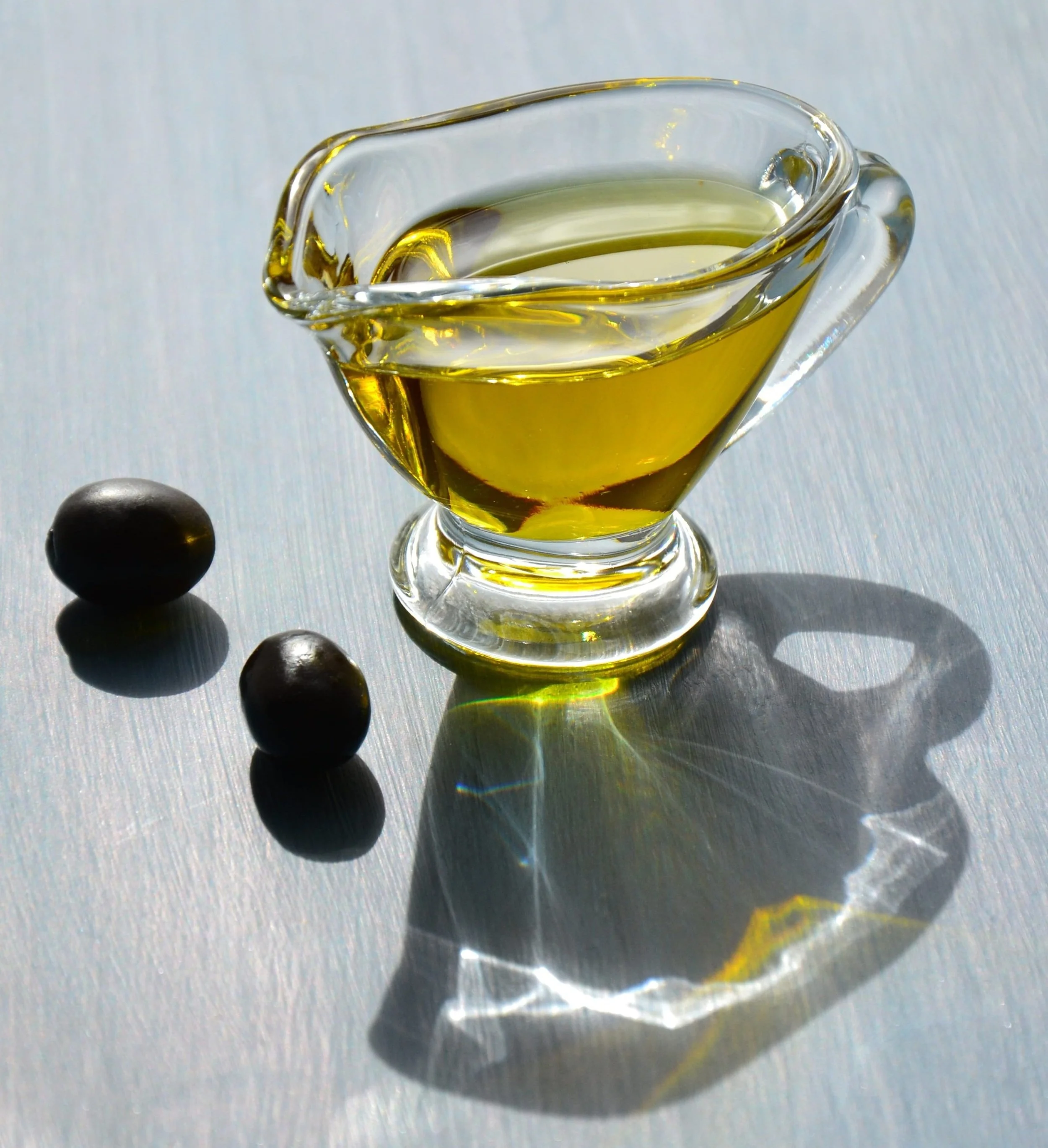
Sources of healthy fats are olive oil, nuts, avocado and fish.
Hot tips:
– Substitute your red meat for fish two or three times a week
– Fish can be fresh, canned or frozen
– Use olive oil to cook and to dress salads and cooked vegetables
– Snack on nuts, 30g is quite a big portion and you can split it into two snacks every day!
– Use avocado to thicken dips and desserts
EAT MOSTLY WHOLEFOODS
Other than that, keep feeding on foods that are least processed. Buy more ingredients than products which means buying more free-of-packaging (nude) foods than packaged (processed) ones. And drink water, heaps of it.
And if you think you need a tip or two to make sure your little one’s immune system is backed-up by what you feed them, get in touch.
References
(1) Coronavirus: Ten reasons why you ought not to panic (2020). The Conversation
(2) Coronavirus (COVID-19) (2020). Australian Department of Health
(3) Book: Understanding Nutrition (2011) First Edition
(4) Australian Dietary Guidelines (2013). Australian Department of Health and Ageing