Welcome to Inspiration Station
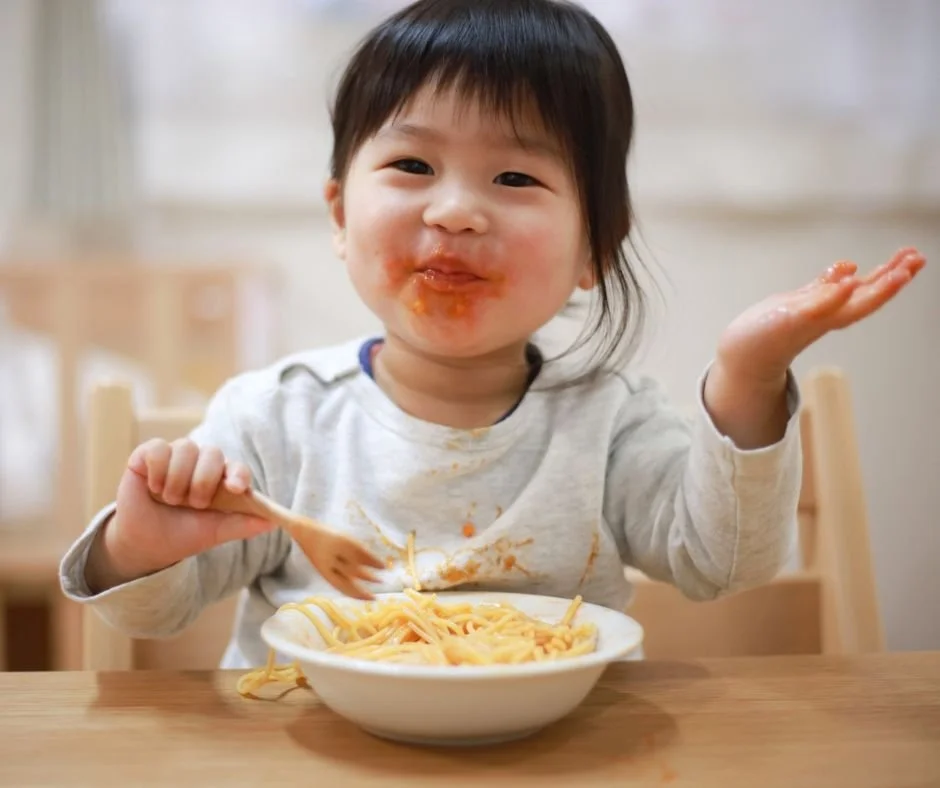
Fussy Eating Digested
Fussy eating is supposed to be a temporary normal phase of children’s development, but how we handle their behaviour during this period dictates how long it is going to last…

Food Bias in Early Childhood
What we tell children about healthy eating have an impact on their food choices. Children as young as five years can be food-biased as the exchange I describe in this article shows.
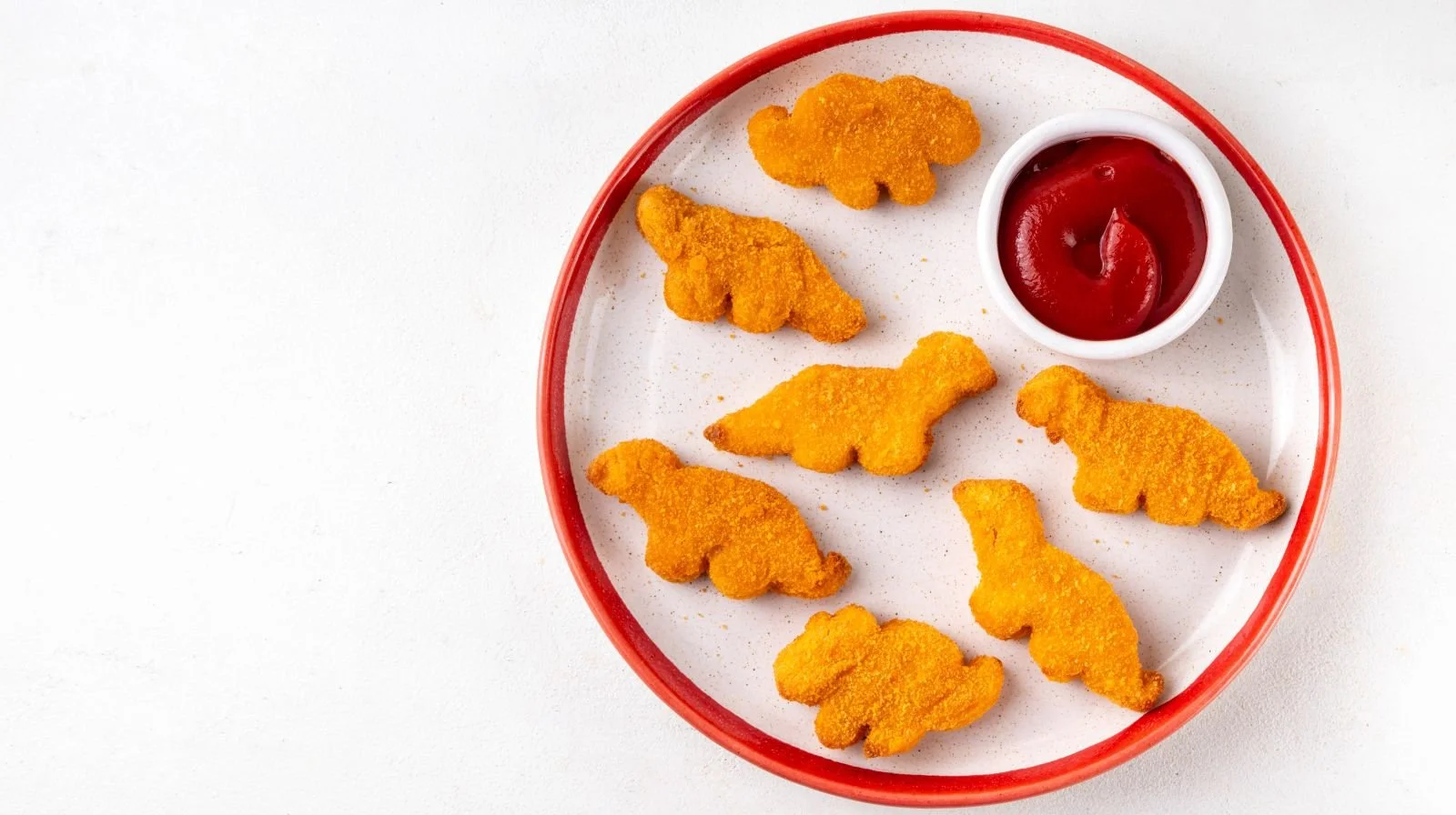
UPFs in Early Life
All foods have a place in a fairly balanced diet. Problems appear when variety is replaced with just a few foods. Especially if those foods are UPFs. Even more so if we’re talking about young children’s diet.
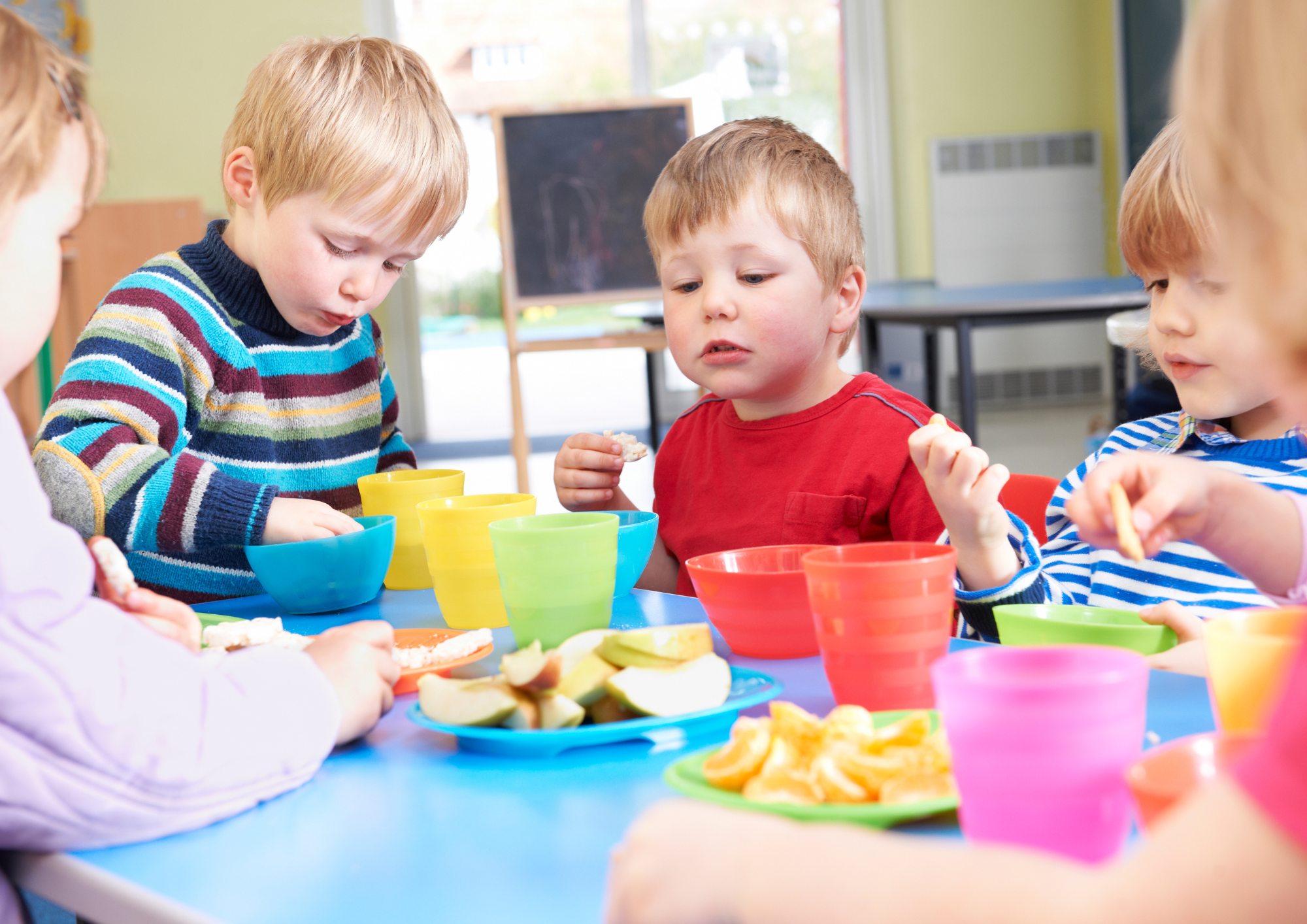
Hunger vs Fullness
Many adults find it troubling to trust children’s capacity to follow their body’s hunger signals and feel like they have to make sure the little ones won’t go hungry by pressuring them to eat. This article shows an example of how unnecessary that is.

Mixing isn’t Cooking
Children’s abilities are so often overlooked and dismissed. Early childhood education services are excellent spaces for children to learn cooking skills, but too often times all they do is “mixing”…

It’s More Than Just Calcium
Many children enjoy and even favour some plant-based milk alternatives over dairy for their sweeter taste. This is all fine as long as all nutritional needs are met. It’s not always the case.

Morning Tea
The well-intentioned yet unhelpful attitude that is most common at mealtimes with children: encouragement to eat. This daycare morning tea experience is a good illustration of it.

Eat the Broccoli!
Is that fart-like smell or the bitter taste that puts kids off eating broccoli and other brassicas? Maybe both? Once again, science comes to the rescue with answers AND tips to get kids to Eat the Broccoli!

More Superfoods in Childcare
If there was a classification for superfoods, pulses and legumes would definitely be on the top of the list. They may be little seeds, but they are giants when it comes to their nutritional powers…
Food Packet’s Nutrition Information
Some snacks are worse than others when comparing their nutritional profile. We all know that. But, with dozens of options and confusing information on packets and labels, choosing a healthy one seems like a too tough nut to crack!

Monkey See, Monkey Do! – Role Modelling and Children’s Eating
Showing how it’s done is the best way to teach a young child how to do things. This applies to eating as well. So, how can we expect children to eat their veggies if we don’t eat ours?

Reasons For Keeping Allergens On The Menu
Taking away core foods from non-allergic young children’s diets in the name of safety against reactions can come with a high price and negative consequences - for the children.

The Reasons for Worry and Fuss at Dinner
A child who struggles to eat has a reason for that behaviour. A mother who worries about it also has a reason to worry. They both need support from those who know better and have the opportunity to help mother and child to do better at mealtimes.

Dietary Requirements Responsibilities
When it comes to children's food safety in the early learning environment, the old saying fits perfectly: "It takes a village to raise a child". Everyone plays a specific role and all are equally important.

Activities That Support Food Education in Early Learning Settings
There is much more than occasionally baking muffins that early years educators can do to help children develop a positive relationship with food and Fern delves into some of them in this article.

Food Refusal
It’s not about the food. There’s more than meets the eye when it comes to children’s food refusal. Let’s have a look at a few reasons children may refuse to eat their meals.

Gluten Intolerance
How can we navigate the ocean of confusing information about feeding a child with gluten sensitivity while making sure they aren’t missing out on nutrition?

How To Create (And “Fix”) A Fussy Eater
With the intent of making sure children are well nourished, we may be driving them in the exact opposite direction in their journey of healthy eating. What is it that we can do wrong, and what would be the right thing to do then?

Foods Blanket-Ban: Evidence-Based or Fear-Based?
Are we acting in children’s best interest when we adopt practices such as blanket-ban of certain foods? Who are we really keeping safe?

“I Want Something Else”: How to Handle Meal Replacements
The frustration of having to put a sandwich together in a flash because your little one doesn’t want to eat dinner, they “want something else”. There’s a cost, high in the long run, with this habit. This article gives you a bit more insight and reassurance about how to handle it.