
Online Workshops for ECEC Professionals
Convenient, affordable, simple, professional development opportunity for Early Childhood Education and Care professionals.
Managing Fussy Eating in the ECEC Setting
Topics covered:
Children’s appetite: what affects it
Attitude and Talk around food: what we say and do matters (including using the term fussy eater)
Expectations and misconceptions: we are for science-based and not for opinions
Ellyn Satter’s Division of Responsibility: who does what at mealtimes
Strategies to avoid and deal with food refusal at mealtimes
Facilitate food curiosity: curriculum activities that support food education
All topics can be linked to the EYLF Outcomes and NQS Areas.
This webinar is suitable for professionals of services that provide meals cooked in-house as well as home-sent (lunchboxes). And it is presented by a fellow Educator and Cook who’s also a nutritionist.
This webinar doesn’t cover feeding children with health conditions neither handling allergies and intolerances.
It’s 1.5 hours long with Q&A and discussions throughout, and delivered online via Google Meet. All attendants will receive a Certificate of Attendance and access to recording.
This is a great opportunity for Continuing Professional Development (CPD).
Includes participation in the webinar, certificate of attendance and access to recording.


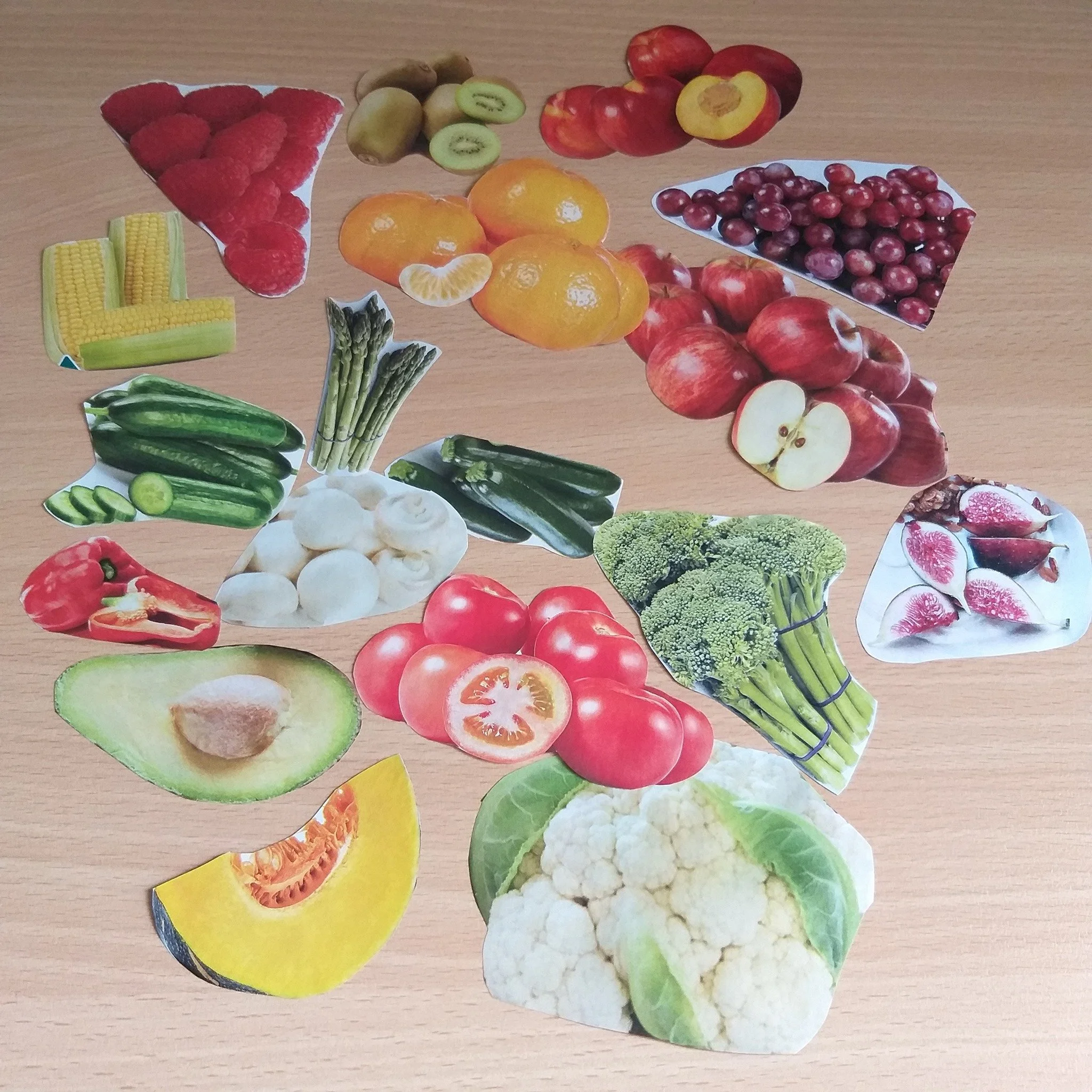

Fern Rodrigues specialises in childhood avoidant eating (aka fussy eating), and helps families and early learning professionals to avoid and manage food refusal for challenge-free mealtimes.
She is a Registered Nutritionist of the Nutrition Society of Australia (RNutr NSA), Bachelor of Food & Nutrition (La Trobe Uni), Food Literacy in Early Childhood PhD candidate (QUT), Bachelor of Industrial Chemistry, Food Technician, Early Childhood Educator (12 years experience), recipe developer, cook and food taster.
Your presenter: Fern Rodrigues

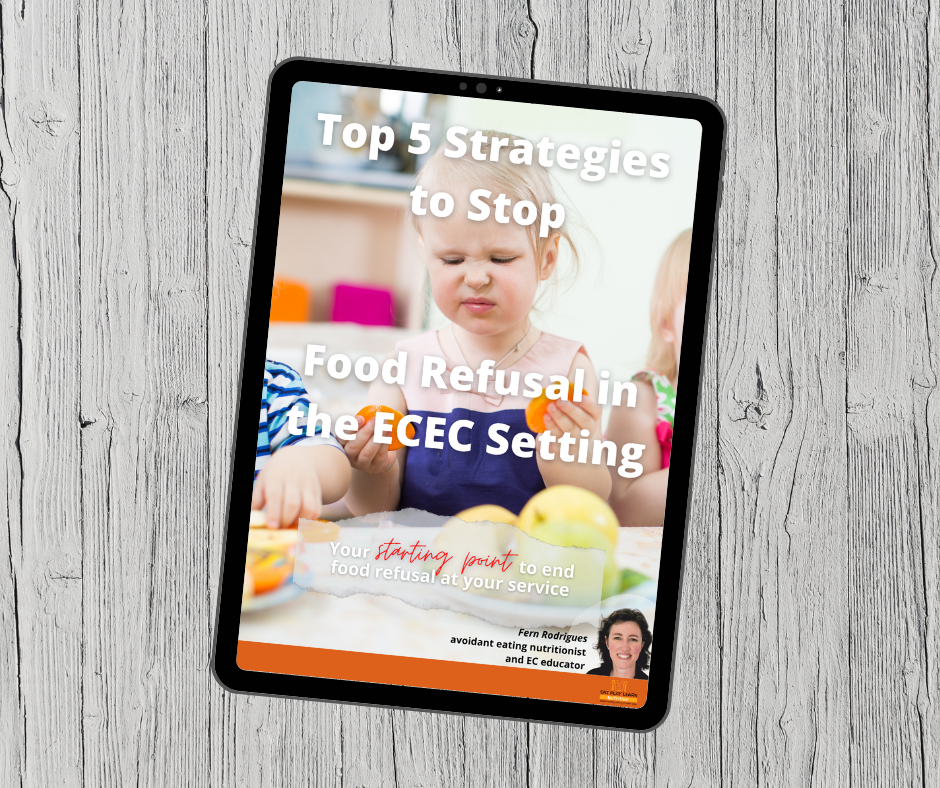
Five practical strategies to help you and your team manage food refusal at your service.
Plus, monthly articles and other resources to help your staff and families learn strategies to support children’s nutrition.
It’s free.