Fussy Eating Digested
I read a newly published scientific article a few weeks ago which is technically a narrative review where researchers do a broad search in the literature (i.e. previously published articles on a specific topic) and then compile and summarise the results of all those studies they found. The article discusses childhood fussy eating definition, how it should be assessed and addressed, how it’s triggered and its impacts. I invite you to read the article*, but I have a summary of it here, if you prefer.
What is fussy eating? - Definition
Fussy (or picky) eating is a normal developmental phase in children’s early years when they may refuse to eat a wide variety of foods and reduce the volume of food intake. This is seen as an adaptive behaviour related to the child’s need for autonomy and self-assertion which is normally temporary.
Persistent Picky Eating or PPE is when the child’s behaviour persists beyond the age of 5 and some specialists argue that PPE is a subtype of ARFID or Avoidant/Restrictive Food Intake Disorder. ARFID is a more serious condition and is included in the Diagnostic and Statistical Manual of Mental Disorders 5 (DSM-5). It can lead to further physical and mental consequences if not treated.
How it emerges
As I said before, this behaviour is natural in a child’s first years of life and is mostly gone before they start primary school. However, depending on how it is handled during that period – by child and caregivers – it may become a problem.
The interactions between parenting style and the child’s temperament, ability to sense hunger and satiety, and sensory preferences can create and even exacerbate or, on the contrary, manage and resolve this behaviour.
Children with higher sensory hypersensitivity (tactile, gustatory or olfactory) may struggle to accept certain foods or certain presentations of foods. For example, lumpy textures, strong smells, unaccepted foods touching accepted ones etc may put hypersensitive children off trying new foods.
This situation and other struggles may heighten caregivers’ anxiety about feeding the child and, in their attempts to make sure the child feeds well, it is common that caregivers develop compensatory practices.
Snacking outside mealtimes and favouring foods that the child already accepts (aka safe foods) can reduce the opportunities for exposure to a wider variety of foods. Or offering ultra-processed foods like chicken nuggets, for example, on a regular basis early on can also increase selectivity. Pressure to eat exacerbates fussy eating behaviours and its duration.
The authors cite a few studies they found reporting that children of parents who express great concern about eating are at higher risk of developing PPE. As well as children whose parents experienced in childhood or still experience food neophobia – fear of new foods – are more likely to also be food phobic.
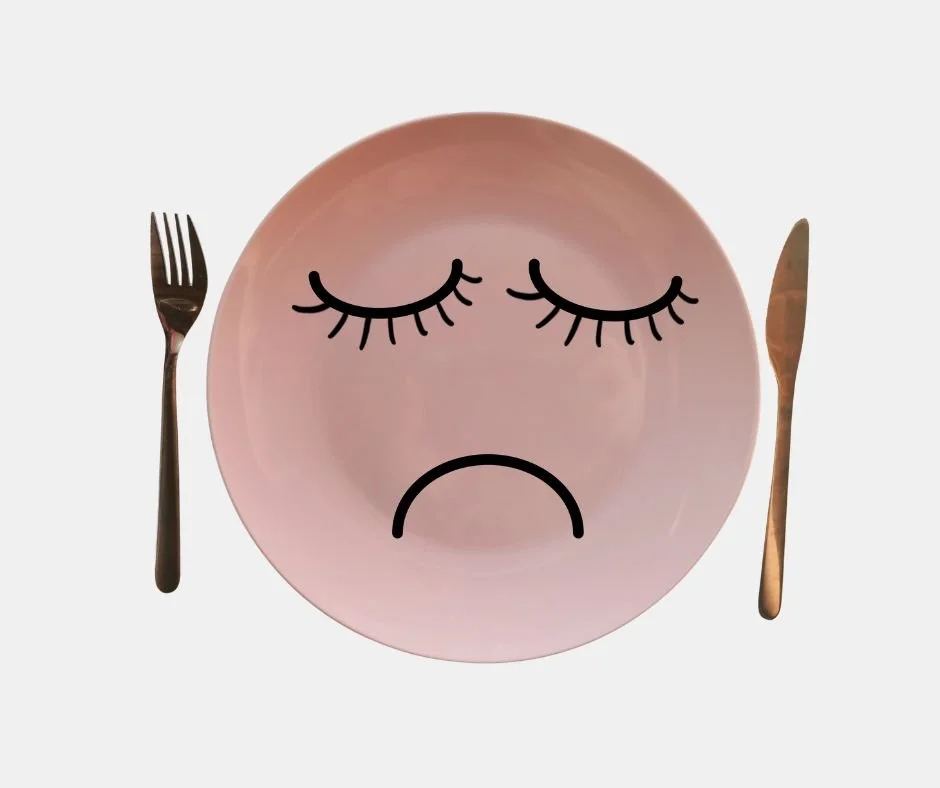
Unpleasant experiences at mealtimes put children off trying new foods
Prevention and intervention
For parents and other caregivers to young children who are not experiencing any of the above, there are practices that prevent the development of fussy eating.
Exclusive breastfeeding is seen as a “flavour bridge” for exposing the infant to different flavours present in the breast milk in result of the lactant’s diet, as well as the introduction of a wide variety of foods from around 6 months of age, when it’s time to wean from milk (breast or formula) and start solid foods.
Other powerful feeding practices are related to the caregiver feeding style. Role modelling meaning that the adults share meals with the child allowing for observational learning and positive interactions which will be associated with mealtimes and foods shared. Also repeated exposure of foods without pressure to eat and a dedicated space for mealtimes, like a dining area, all discourage fussy eating.
Now, if fussy eating is already present, it does not mean the child and the rest of the family are doomed. There are ways to overcome it. However, the interventional approach must be individualised and holistic, considering the child’s needs, preferences and abilities and the household dynamics.
Nutritional assessment via questionnaires and biochemistry (e.g. blood work) may be useful to understand where the needs and possibilities are, as well as professional guidance in planning balanced meals, introduction of new foods and food refusal management. The starting point is a visit to a general practitioner or a paediatrician who will then, if necessary, refer to a feeding professional that can be an occupational therapist, a speech pathologist or a dietitian or nutritionist that specialises in paediatric feeding issues.
This is important
Although it is, in most cases, a temporary behaviour, fussy eating, if goes unchecked for too long, it can impact the child’s physical, cognitive and social development in the short-, but also in the long-term.
Deprivation of essential nutrients can compromise the child’s immune system increasing the susceptibility to recurrent infections, as well as the child’s cognitive development including attention deficit and poor academic performance. Fussy eating behaviour also often creates a stressful environment that affects the household’s dynamics and social life.
Unaddressed persistent fussy eating, may become the pathway to an adult life of poor intake of core food groups (e.g. fruit, vegetables, dairy, meats and grains) which increases the risks of non-communicable diseases (e.g. type 2 diabetes and cardiovascular diseases). It has also the potential for the development of emotional disorders like anxiety, depression, low self-esteem and difficult social interactions.
So, it is important caregivers are aware of what fussy eating is, its implications and how to handle it to feel confident they are giving their child their best shot at strengthening a healthy relationship with food and, at the same time, preventing a normal and temporary behaviour from progressing into clinical issues and disordered eating.
You can find further details about some topics touched in this article by browsing previous articles on this blog (Hunger vs Fullness, Monkey See, Monkey Do! – Role Modelling and Children’s Eating and others).
*Picky eating: Narrative review of a common challenge in paediatrics (study, 2026, Argentina)