Mixing isn’t Cooking
Darcy (not his real name), 3yo, attended long-day-care five days a week. He would spend the whole day without a single meal. He refused to eat anything, brought from home or provided by the centre. I can’t really say what the problem was since I was there only sporadically for a casual shift as an educator.
However, I used to take all opportunities I had to provide a food-related activity to the children. I used to look at the classroom’s monthly educational plan and see if I could come up with an activity that would suit its objectives. For example, one time, to remain within topic of their NAIDOC (National Aboriginal and Islander Day Observance Committee) Week program, I made a wattle seed (edible Australian native bush seed) damper with the children for afternoon tea. Darcy participated in that one as he usually wasn’t very interested in the cooking experiences. And, my goodness, he wouldn’t have enough of that damper!!
As we know, exposing children to foods increases the chances of them eating those foods, and cooking is an excellent way to exposing children to those foods they don’t yet love and that they avoid eating (1). But, the secret for the activity to work on foods avoidance/refusal (aka fussy eating) is to carry it out pressure-free. Avoid ‘encouraging’ the children to try whatever has been prepared/cooked. Just like it happened with Darcy. No one told him he had to try it. He did it out of curiosity (probably) and decided that he liked it enough to have almost half a loaf of it!
However, the most common “cooking” experiences children participate in a childcare setting is muffin making. The children usually take turns in mixing the dry ingredients or the dough. Then, an adult takes it away and later comes back with muffins for afternoon tea. It’s not appropriate to call it a cooking experience/session/class because “mixing” is not the only step to cooking muffins. It involves choosing a recipe, sourcing the ingredients and utensils/appliances, interpreting the recipe, measuring ingredients, preparing and assembling, cooking, eating and storing, so an activity that only involves “mixing” is incomplete by a large extent.
One may argue that young children have limited abilities to use in a cooking activity. Fair enough. However, their abilities can be explored in several steps of the process. For example, young children are perfectly capable of participating in selecting a recipe from a cook book or a website. They can be helped to interpret a recipe, collect material and measure ingredients. Mix. Eat. And more.
Think of the many links this single activity has to the EYLF 2.0 (Early Years Learning Framework) (2). Here are some (not all):
Learning Outcome 1 (Children Have a Strong Sense of Identity): children develop knowledgeable, confident self-identities and a positive sense of self-worth by being supported in their food exploration and learning;
Learning Outcome 2 (Children Are Connected with and Contribute to Their World): children become socially responsible and show respect for the environment by learning how food is produced, how it is prepared, and how to dispose of scraps in a sustainable way;
Learning Outcome 3 (Children Have a Strong Sense of Wellbeing): children become strong in their physical learning and wellbeing by learning how to handle cooking utensils safely;
Learning Outcome 4 (Children Are Confident and Involved Learners): children become confident and involved learners when they are supported and encouraged to take part in food growing, preparation, storage and disposal, as well as taking part in setting/cleaning up meals areas as these activities allow for a wide range of opportunities for developing curiosity, cooperation, confidence, creativity, commitment, enthusiasm, persistence, imagination and reflexivity, also problem solving, inquiry, experimentation, hypothesising, researching and investigating, by transferring and adapting their previous learning, and by learning to be resourceful;
Learning Outcome 5 (Children Are Effective Communicators): children learn to interpret recipes and menus, as well as packaged food labels.
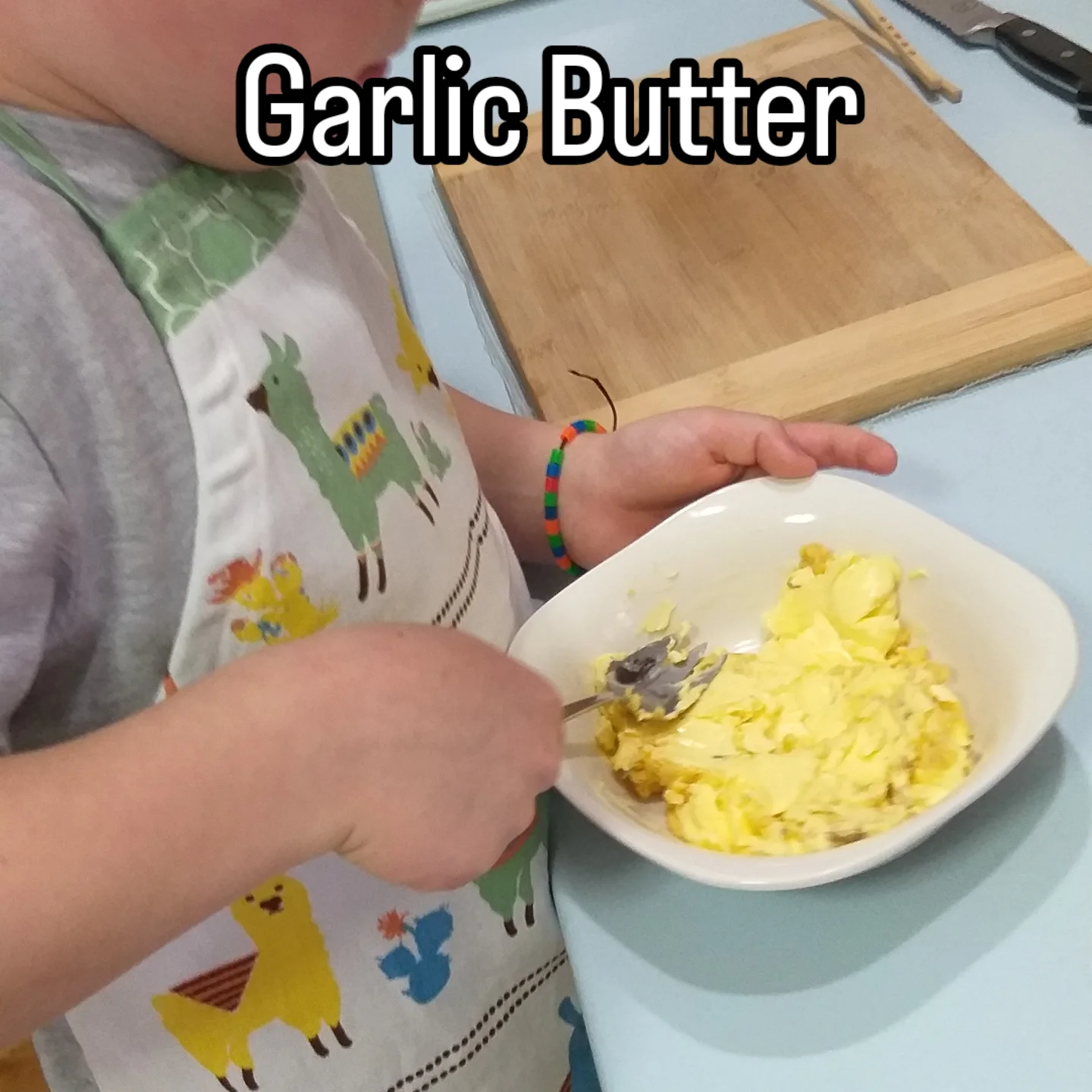
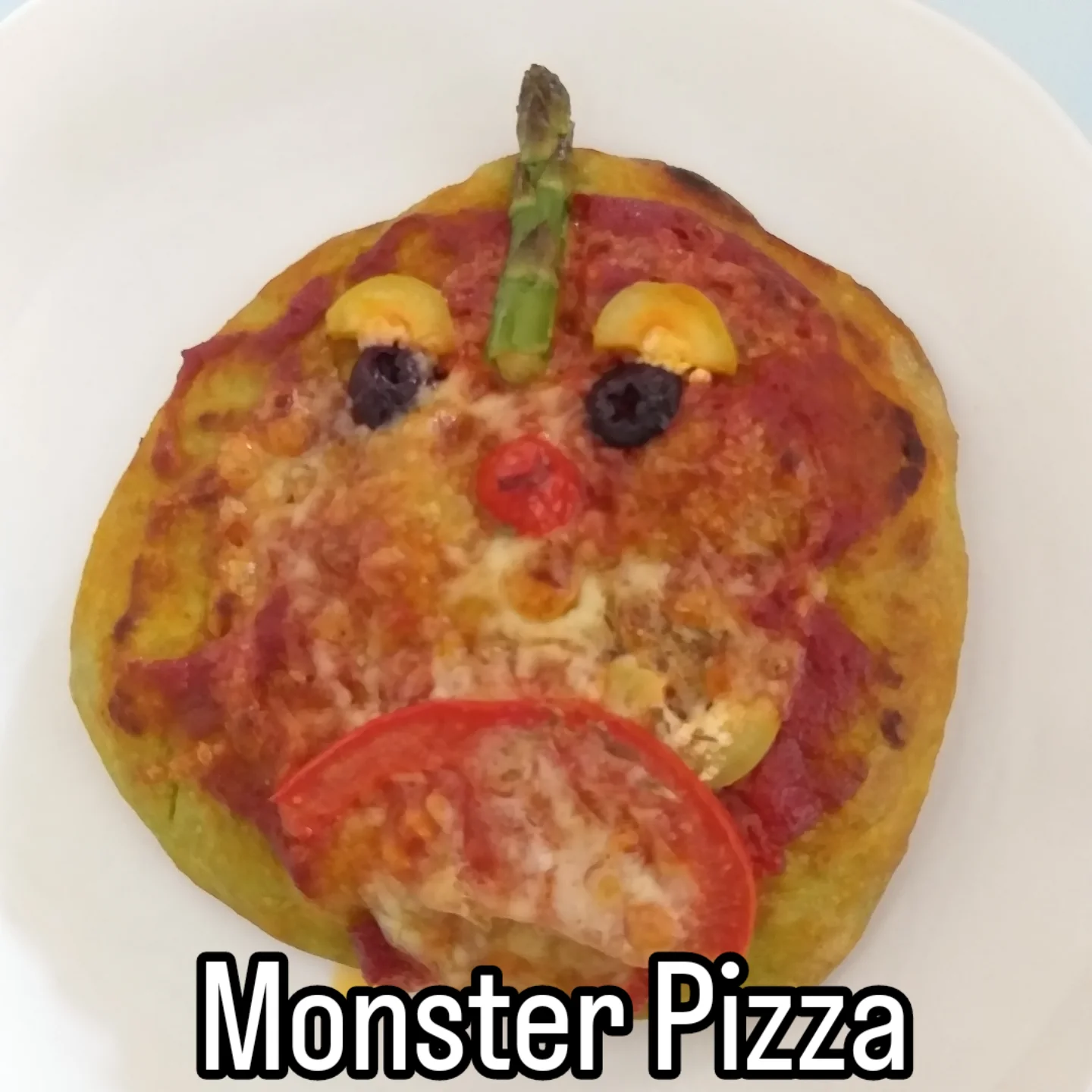
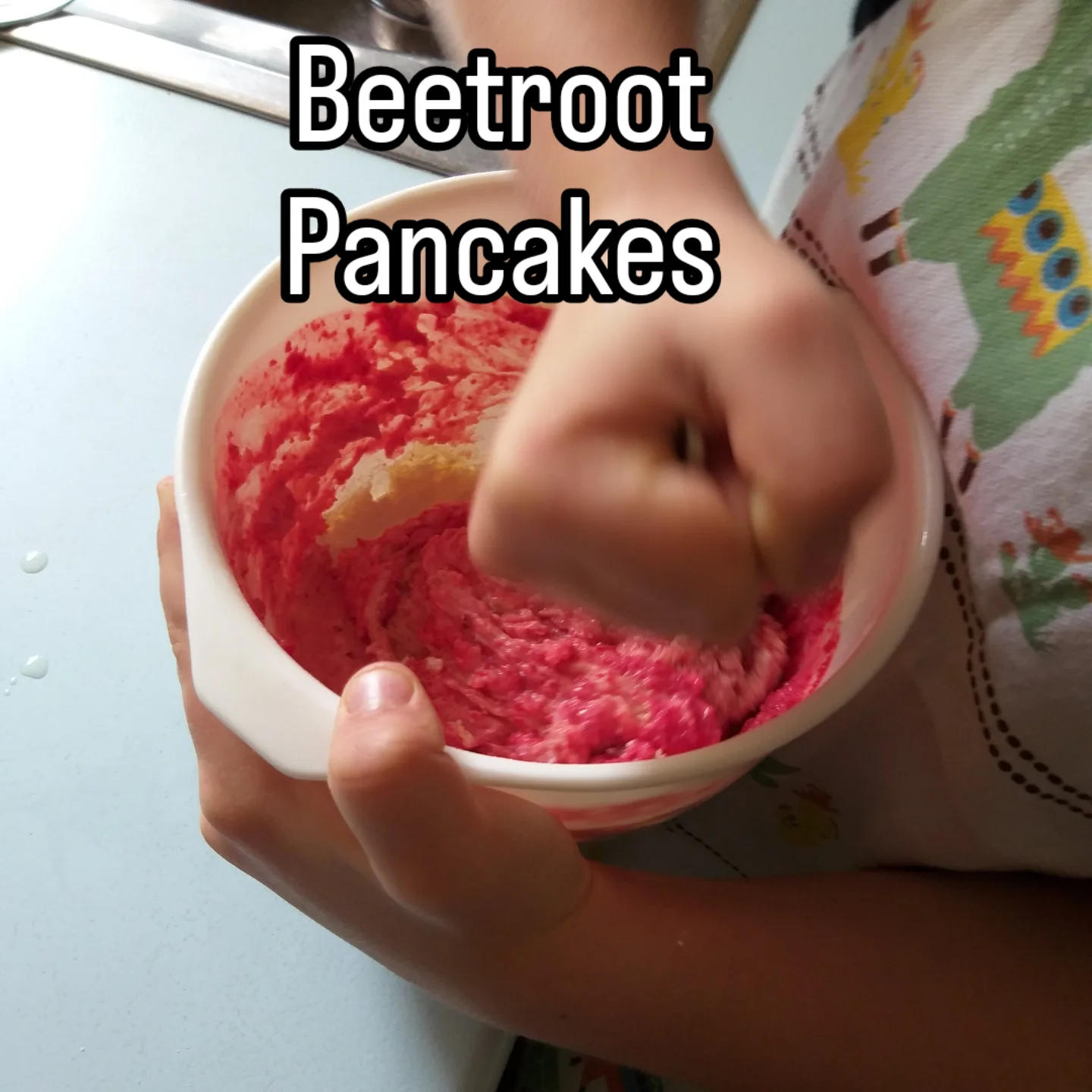
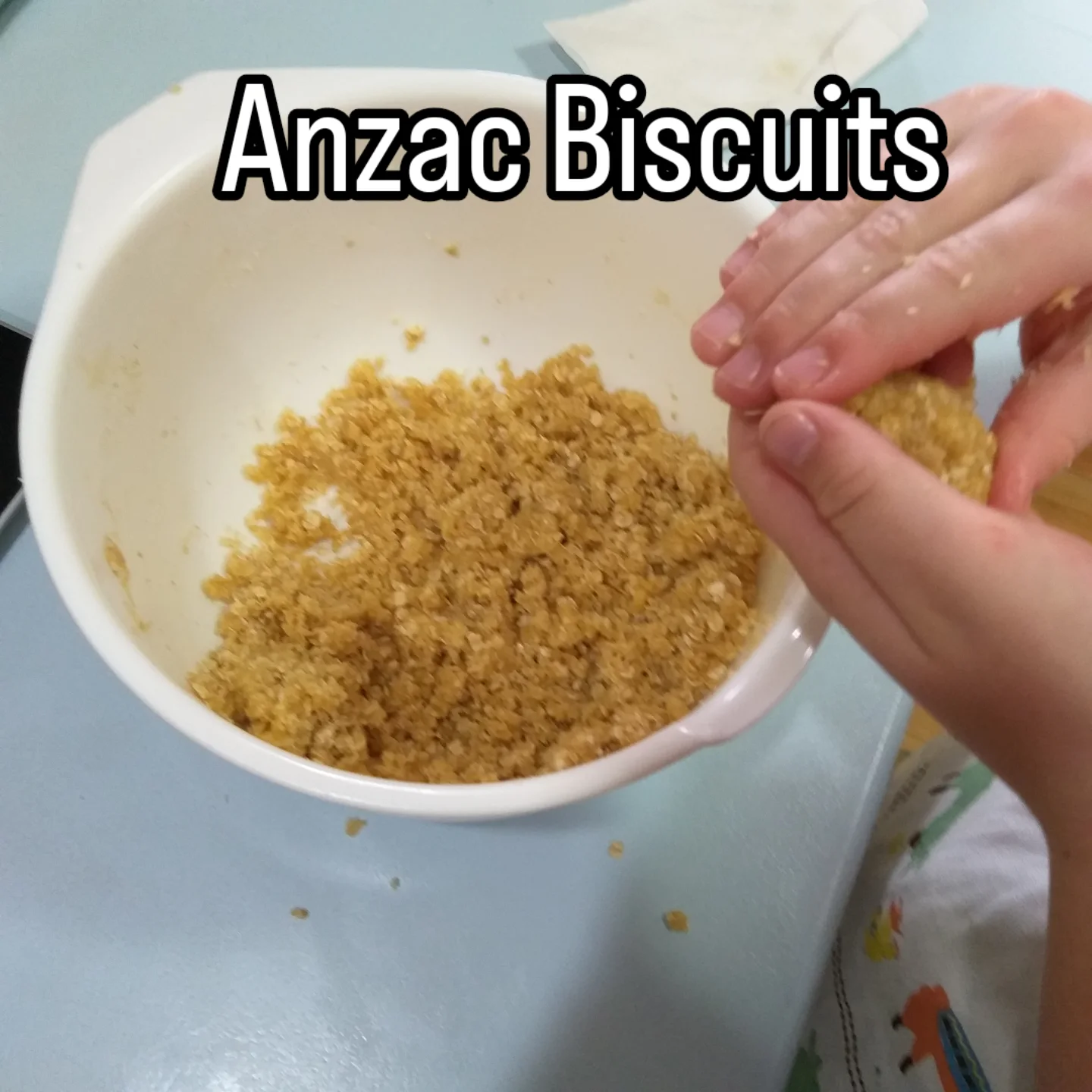
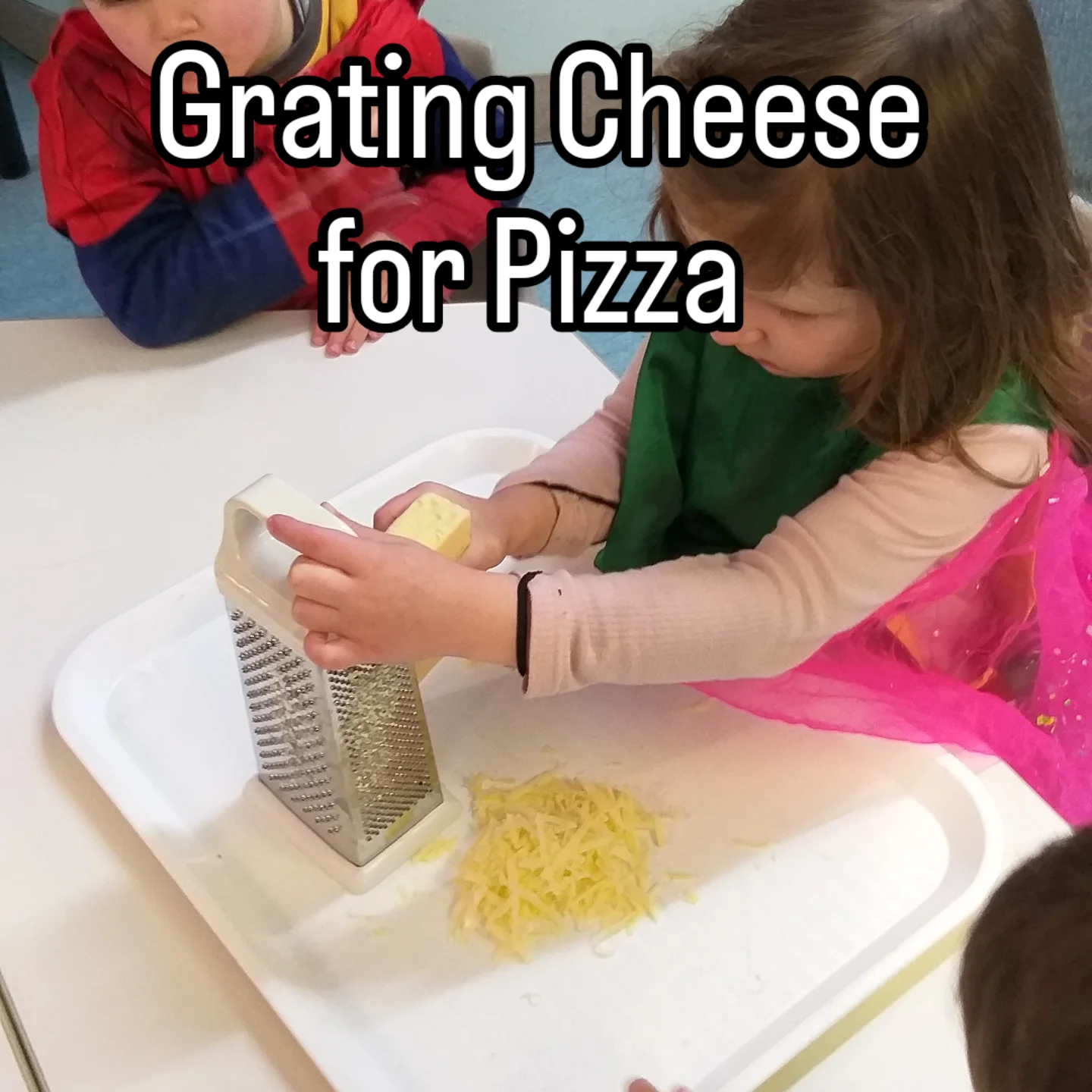
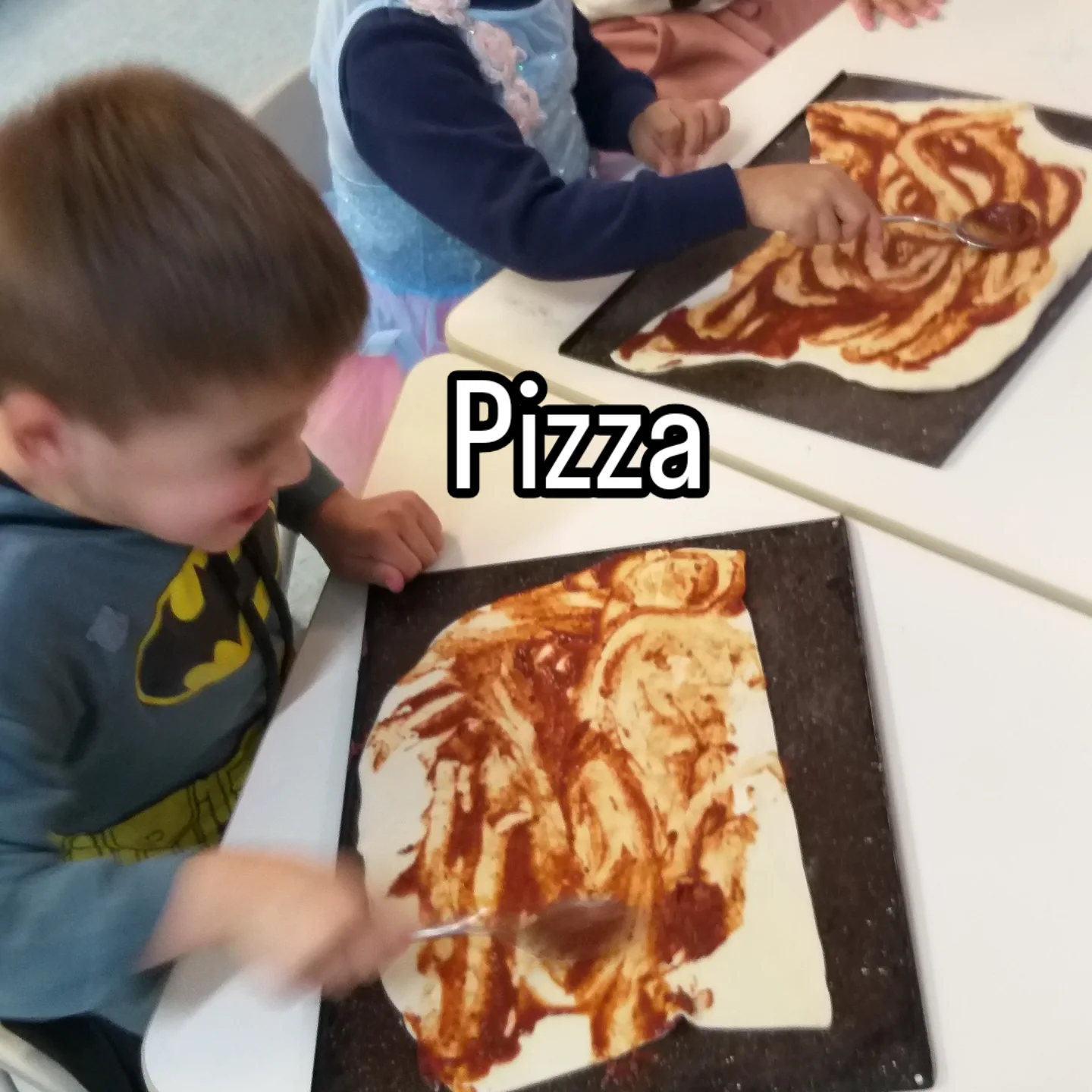
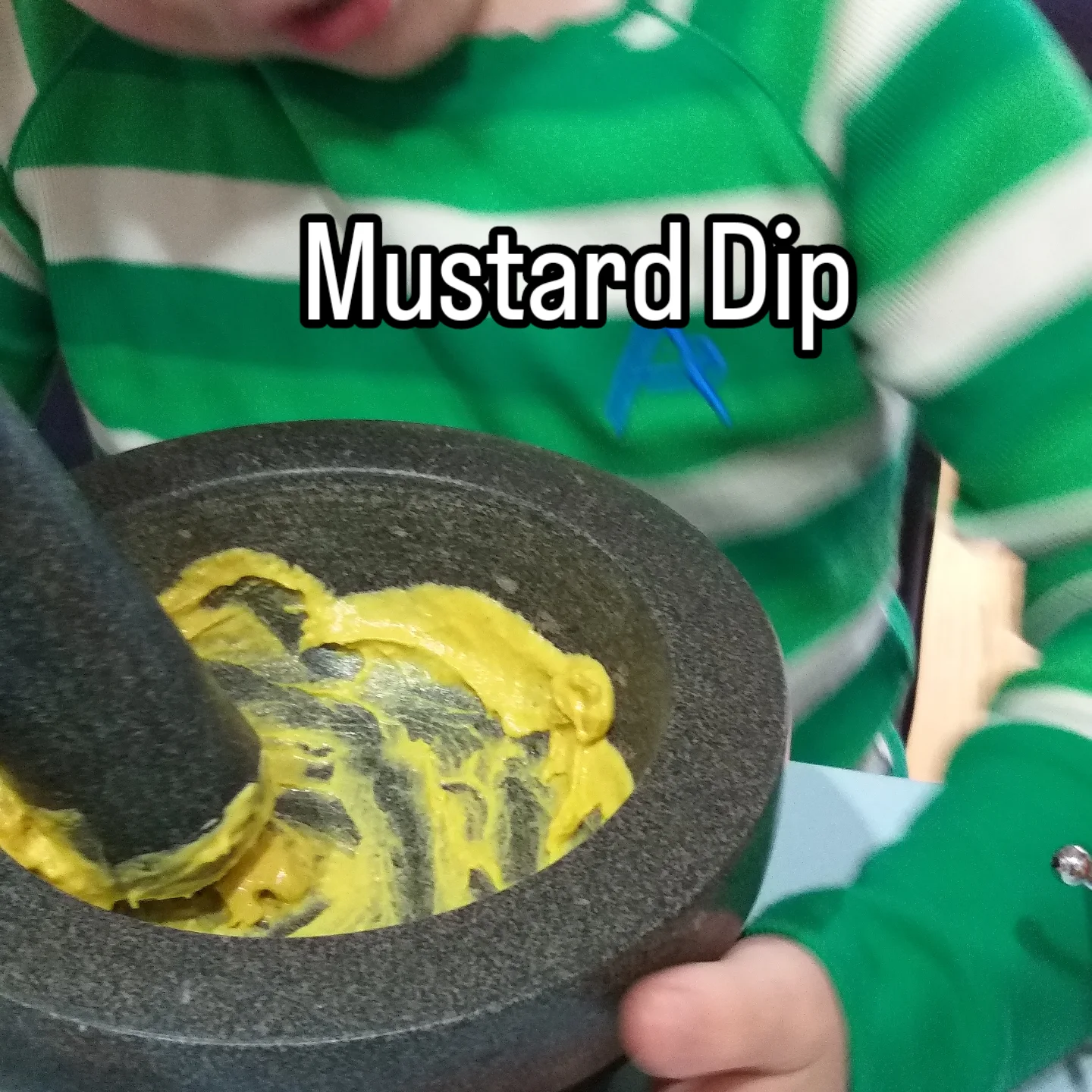
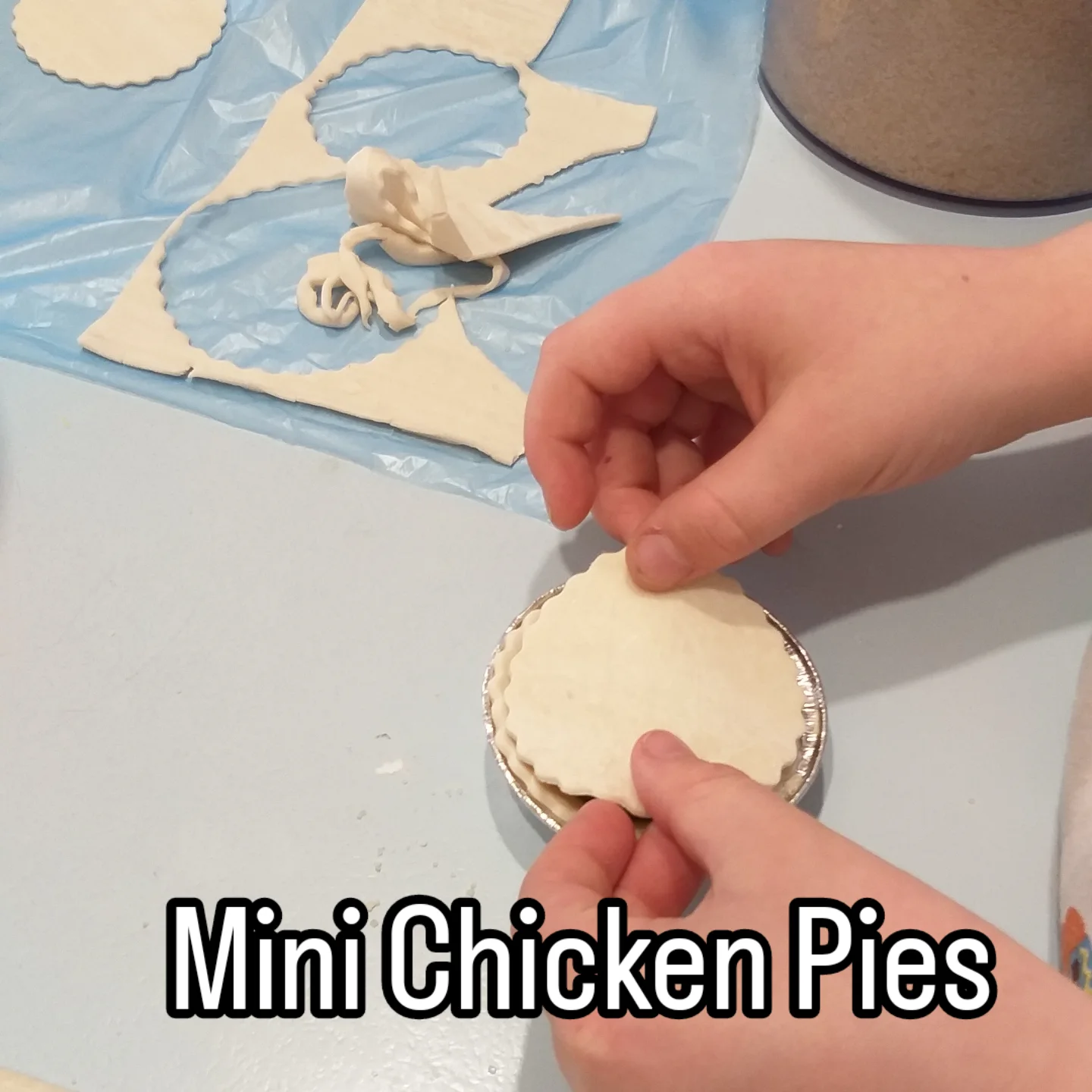
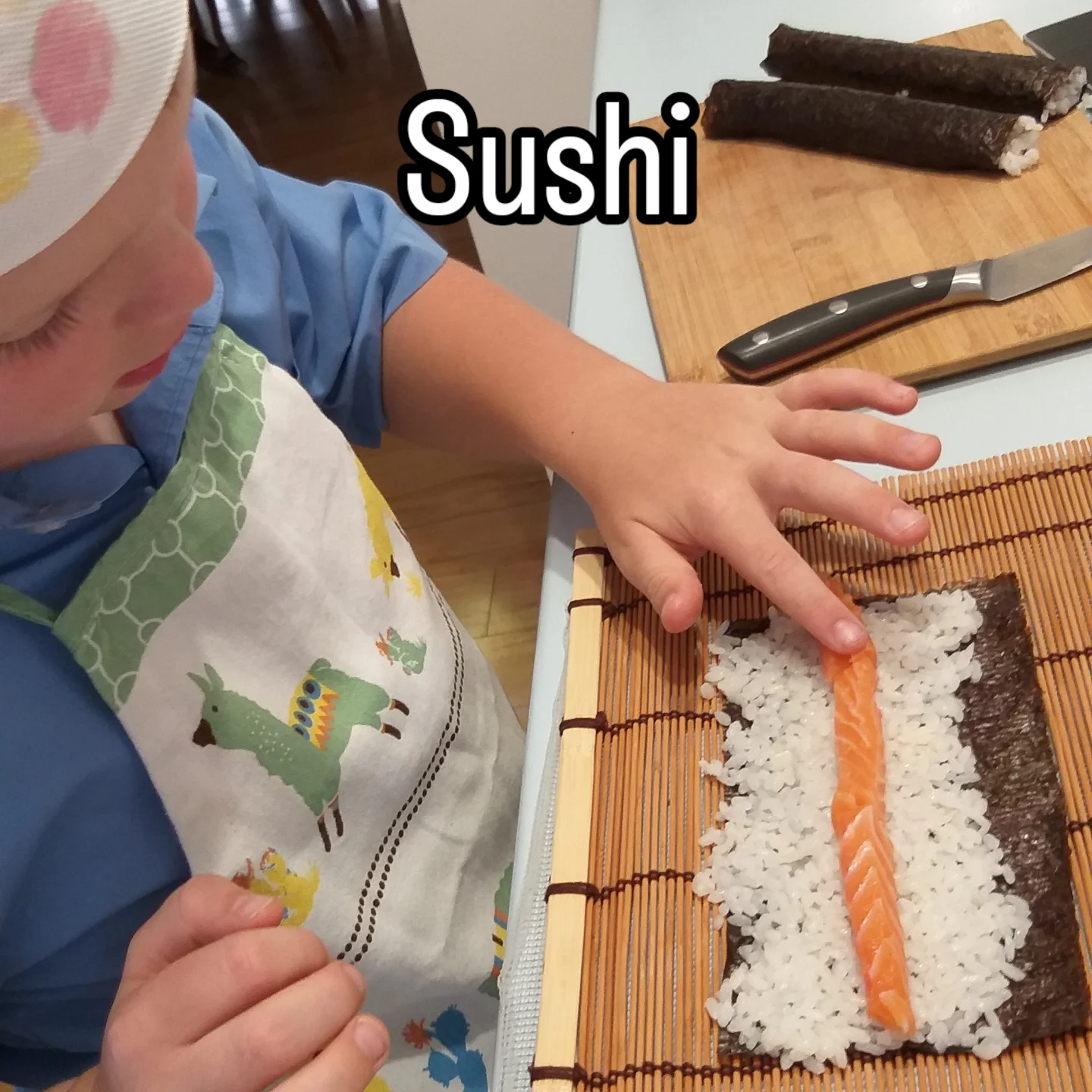
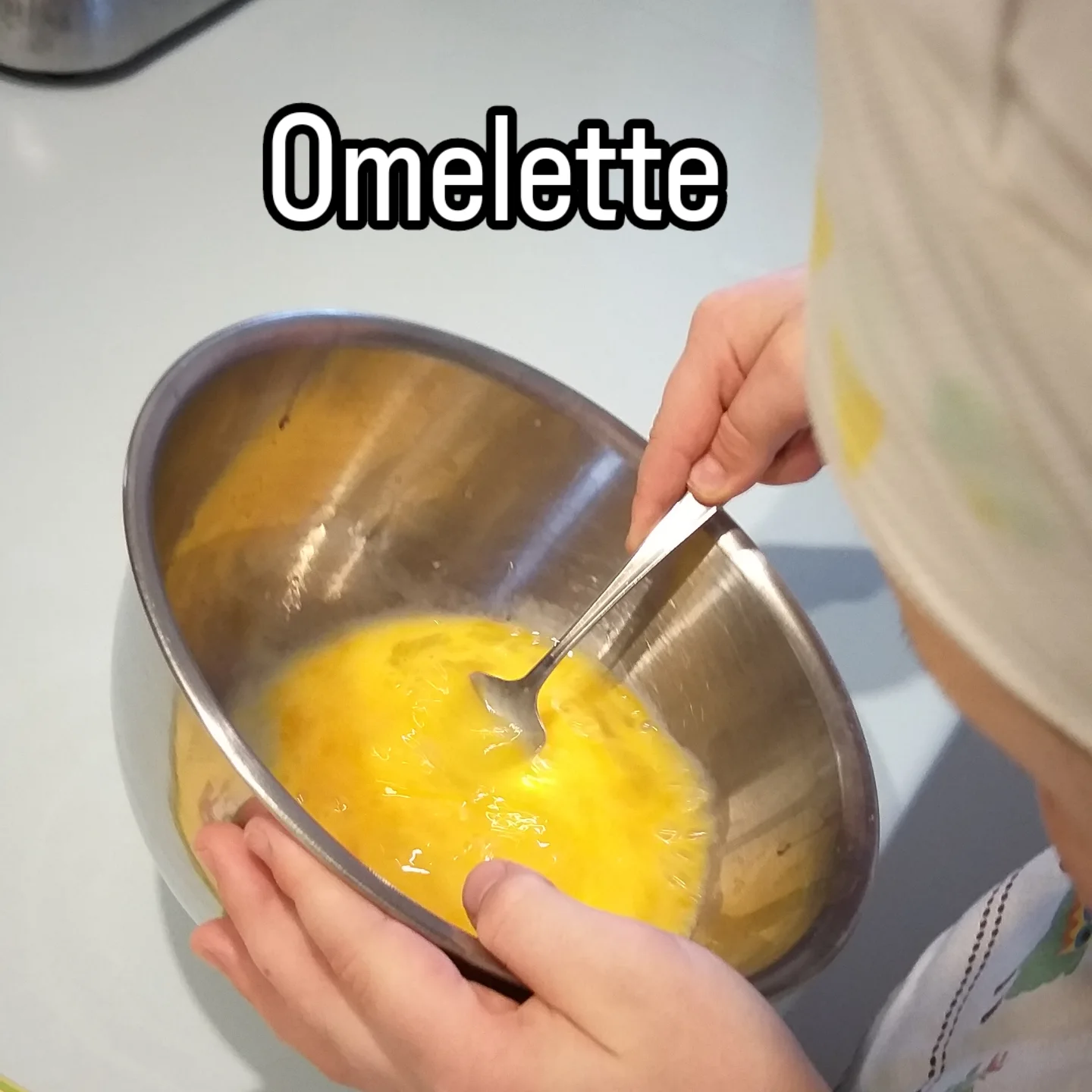
Children can do some much more than just mixing (photos of my cooking sessions with children).
Another person may argue that a lengthy activity isn’t feasible within a busy daily timetable. What if cooking activities were planned, like all other activities included in the educational program, and time was appropriately allocated for it to happen consistently? In many instances, you wouldn’t need more than only allocating time for it because staff and material would have already been allocated. My point is that the cook or the educators are already there and the ingredients have been already budgeted when the menu was planned and approved. So, all you need to do is to plan the activity and allocate time for it.
Another may argue that safety is an issue when it involves knives and hot surfaces. This issue can be overcome by choosing recipes that don’t require big knives and large use of hot surfaces, and also by age-appropriate education and supervision during the activity. Being an educational activity, it’s meant to teach things to children and cooking shouldn’t be dismissed as an unsafe activity for learning. As suggested in LO 3 above, safety is one real-world skill children will come away with from cooking activities.
And others more will argue more. And that’s fine. But once one has dedicated some thinking to it – and many educators and cooks do! –, it doesn’t take too long to realise that there are countless ways to capitalise on children’s innate curiosity about all things and engage them in cooking and that it doesn’t take much.
Cooking is a life skill with potential to make a difference in a person’s general health. It is part of the definition of Food Literacy – a list of competencies one has that can affect their nutrition status. The ability to cook enables a person to be less vulnerable to limited resources (think cooking on a budget) and more capacitated to make healthy food more appealing (think a homemade veggies pizza made from scratch) which in turn improves nutrition (3).
So, regular, well planned and well conducted cooking classes in early childhood have the potential to teach children much more than just “mixing” and to equip them with valuable self-help skills for life.
Eat Play Learn Nutrition strives to support educators and other early education professionals to skill up in order to carry food education with confidence. Learn about our workshops.
references
(1) Using repeated exposure through hands-on cooking to increase children's preferences for fruits and vegetables (Study, 2019, USA)
(2) Belonging, Being and Becoming: Early Years Learning Framework 2.0 (AGDE)
(3) Defining food literacy and its components (Study, 2014, Australia)