Welcome to Inspiration Station

Hunger vs Fullness
Many adults find it troubling to trust children’s capacity to follow their body’s hunger signals and feel like they have to make sure the little ones won’t go hungry by pressuring them to eat. This article shows an example of how unnecessary that is.

Mixing isn’t Cooking
Children’s abilities are so often overlooked and dismissed. Early childhood education services are excellent spaces for children to learn cooking skills, but too often times all they do is “mixing”…

More Superfoods in Childcare
If there was a classification for superfoods, pulses and legumes would definitely be on the top of the list. They may be little seeds, but they are giants when it comes to their nutritional powers…

Reasons For Keeping Allergens On The Menu
Taking away core foods from non-allergic young children’s diets in the name of safety against reactions can come with a high price and negative consequences - for the children.

The Reasons for Worry and Fuss at Dinner
A child who struggles to eat has a reason for that behaviour. A mother who worries about it also has a reason to worry. They both need support from those who know better and have the opportunity to help mother and child to do better at mealtimes.

Dietary Requirements Responsibilities
When it comes to children's food safety in the early learning environment, the old saying fits perfectly: "It takes a village to raise a child". Everyone plays a specific role and all are equally important.

Activities That Support Food Education in Early Learning Settings
There is much more than occasionally baking muffins that early years educators can do to help children develop a positive relationship with food and Fern delves into some of them in this article.

How to Approach Fussy Eating with Families
Early learning professionals often ask me for suggestions on how to approach parents to talk about their children’s avoidant eating behaviour. I wrote some in this article.

Lunchbox Audits
Lunchbox patrolling in educational settings are deceivingly unhelpful and may even send the wrong messages to children and aggravate the very situation educators and teachers are trying to fix.

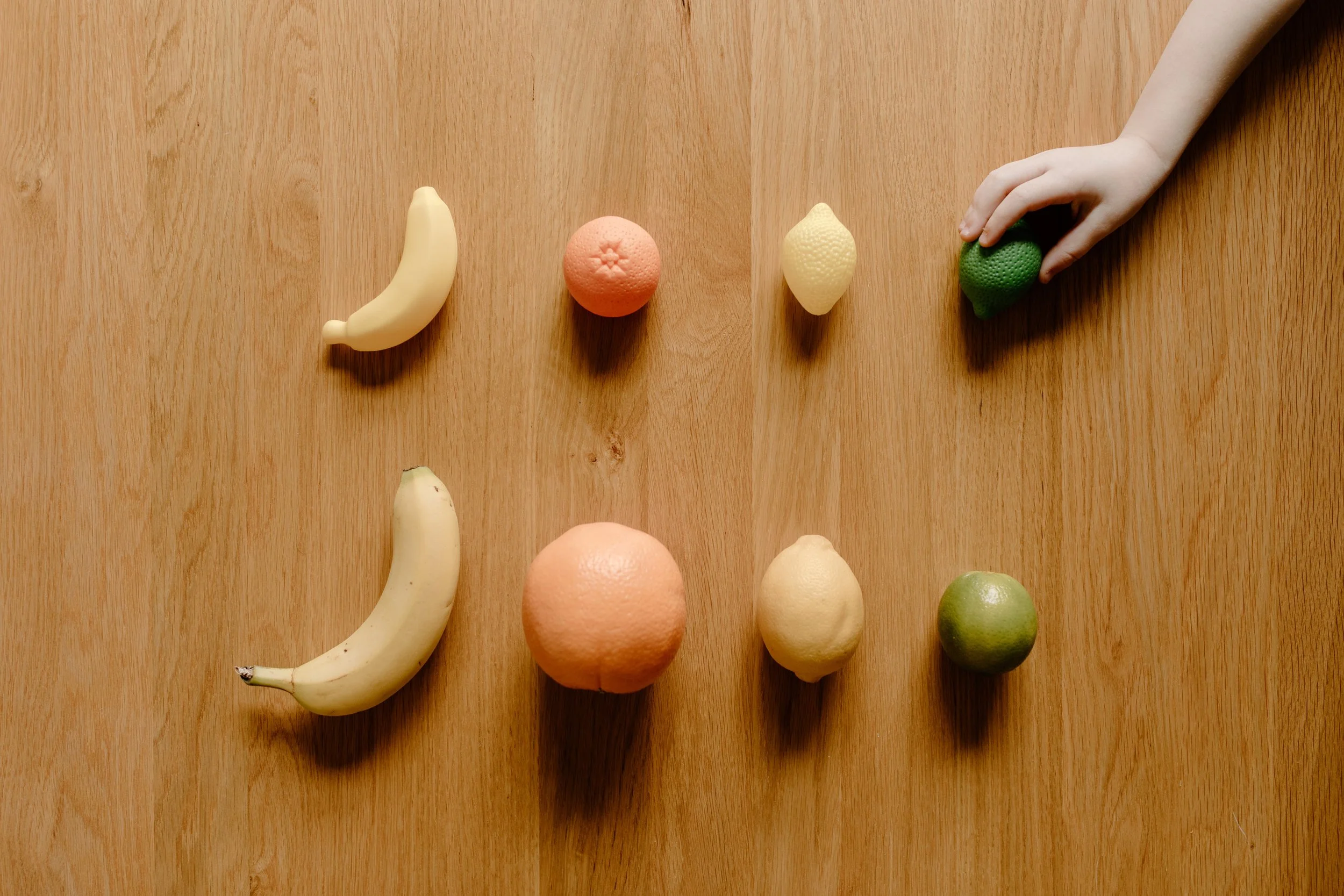
Non-Feeding Food Exposure (part 2)
Children are tuned in and alert almost hundred per cent of their awake time. We must remember this as we go about our day around them. And, whenever possible create or enhance their opportunities for learning.

Non-Feeding Food Exposure (part 1)
Children will mostly eat foods they are familiar with, that don’t present [too much] surprise. It feels safe and comfortable that way. They might need a few exposure times until they decide it’s ok to eat.


Peer Power
Children can be influenced by their peers on their food choices. It goes both ways: for the good AND for the bad.


Unconfuse!
What is a parent supposed to do to make sure they are able to provide an adequate diet for their children?

Never Too Young To Learn How To Cook
Scientific research shows that children who cook eat better, feel better and grow into a healthier life as adults.