UPFs in Early Life
I usually avoid discussing the dangers of an unbalanced diet in early childhood because I know this can trigger a series of negative feelings like guilt, shame, anxiety and overwhelm in parents and other people who look after children’s diet. Although triggering those feelings is absolutely not my intention, I decided to touch this topic because, not talking about it, doesn’t make the problem go away.
New scientific articles published in the past weeks bring more evidence of the dangers that a diet based on discretionary foods (aka junk, treat, sometimes foods) can impose onto young children’s development. And that compelled me to write this article.
Ultra-processed foods and human health
For many different reasons, these days, children’s diet has a high proportion of foods we call ultra-processed (UPFs). Ultra-processed foods are “formulations of ingredients, mostly of exclusive industrial use, that result from a series of industrial processes (hence ‘ultra-processed’)” (excerpt from 1). Most discretionary foods are UPFs. According to the NOVA food classification (see picture below) these products use very little or no whole foods/ingredients in their recipe and have been through so many steps of processing that have almost no nutrient left in them, even though they usually taste delicious and it is almost impossible to stop eating them (1).
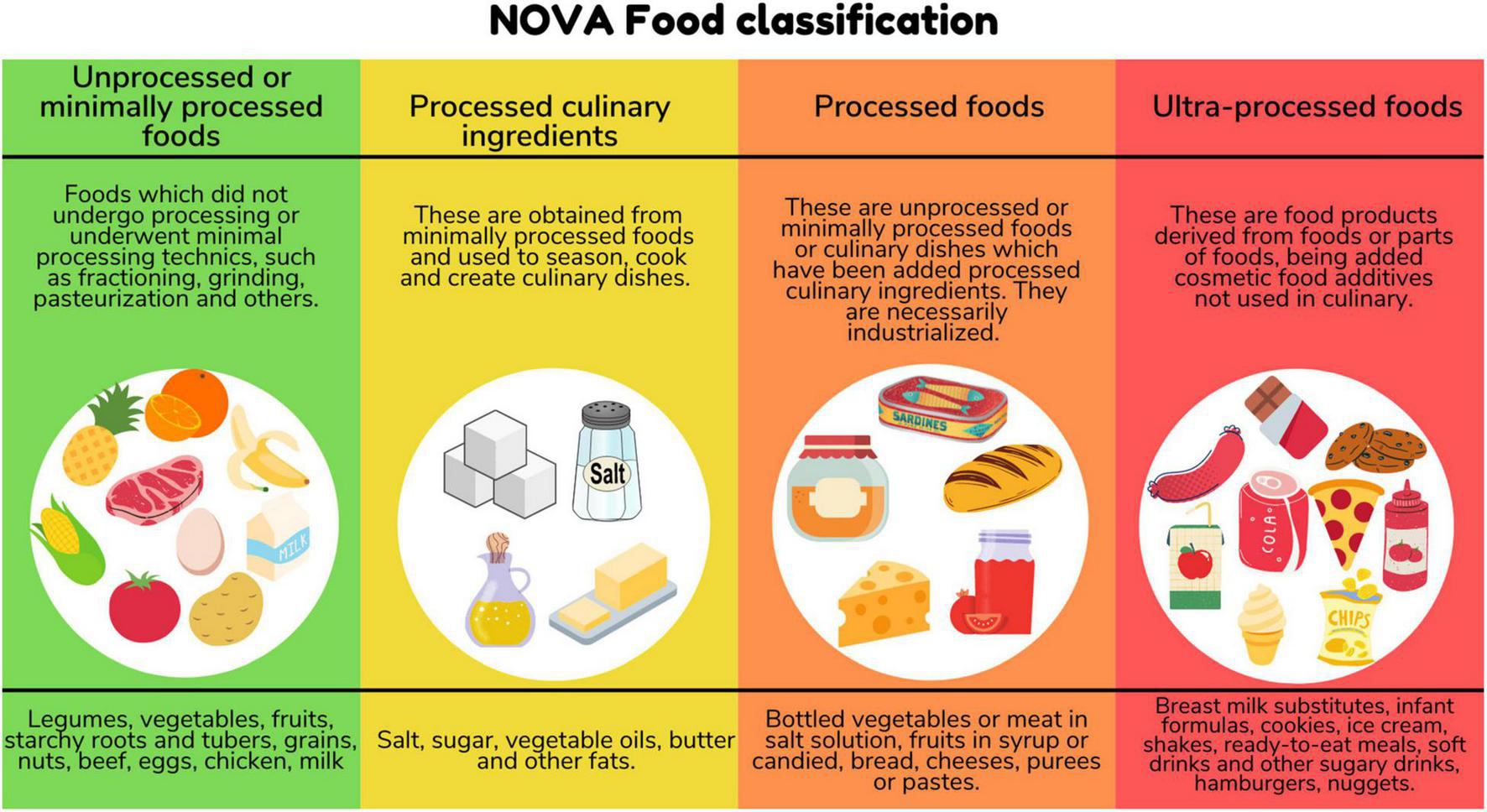
(2)
There is a comprehensive body of evidence showing the harms UPFs inflict to human health (3). But here I will only mention one publication of 2022 highlighting the negative impact on nutrition and illnesses development in pregnant and lactating women and their children (2). In this systematic review of fifteen studies, researchers reported that UPFs contributed to pregnant women’s weight gain in the third trimester, increased markers for diabetes in already diabetic pregnant women, increased their feelings of depression and caused vitamin E deficiency. In their children, UPFs were associated with higher incidence of attention deficit and hyperactivity disorder (ADHD), weight gain, poor diet quality, respiratory problems, dental caries and higher plastic chemicals in the urine (2). This is definitely not a good way to start a new stage of life, is it? Not for the child nor for the mother.
Young children
In the coming paragraphs I describe recent studies that indicate that UPFs are associated with
A negative effect on growth;
Increased rates of overweight, emotional overeating and food fussiness;
Impaired behavioural and emotional development; and
Impaired cognitive development, especially in children with early-life deficit.
Canadian researchers found that 3-year-olds who eat a lot of UPFs (≥ 45% of whole diet) present problematic behaviour at the age of five. We are talking about anxious, depressive, aggressive and hyperactive behaviours, as well as sleeping problems (4). These findings align with of previous research, like this one done in the United Kingdom linking a high intake of junk food and hyperactivity in children (5).
Not only behaviour, but this dietary pattern can also have a detrimental impact on children’s cognitive development. A study done with Brazilian children found that 2-year-olds who ate mostly packaged snacks, instant noodles, sweet biscuits, lollies, soft drinks, sausages and processed meats had a lower intelligence quotient (IQ) at the age of 6-7 years (6). This means that they presented less capacity to learn than children who had a diet based on whole foods like meat, grains, fruit and vegetables. It’s quite upsetting that this effect was even greater in children with an early-life deficit (e.g. low weight or height or head circumference for age) making these children even more vulnerable to the effects of a nutrient-poor diet.
UPFs may also play a role in the development of children’s eating patterns. Emotional overeating and fussy eating are also related to a high intake of sugary foods by two-year-olds (7). The same study, done in Mexico, suggests that a high intake of added sugars negatively impacts growth and is related to children’s higher waist circumference, indicating overweight.
Just to give us a generalised picture of children’s UPFs consumption, here’s the proportion of them in lunchboxes brought to preschool. A study published in 2022, reported that the lunchbox of 4-year-olds attending early childhood education and care services in the state of Victoria, in Australia, was 38% of UPFs (8). But, in the United Kingdom, a staggering 74% of what 1 to 4-year-olds attending childcare and preschool services bring in their lunchboxes is UPFs (9)! Without much room here to discuss the reasons for that, we can’t lose focus that it is a disproportion of discretionary foods, making young children’s diet out of a healthy balance.
Is the future of our children doomed?
So, ok, young children eat a lot of foods they should be eating only a little of, if any. But what can immediate guardians of young children’s diet (aka parents, practitioners, early childhood educators etc) do about it?
First, growing confident in recognising UPFs is a good place to be. The easiest way to spot an UPF is to look at the ingredients list. No need to read every single item or know what they are. If the list of ingredients is long and some are things you would not find in a home kitchen or buy at a supermarket or fruit shop, it’s an UPF.
Secondly, if you have been following my work for a while you must know I follow Ellyn Satter’s feeding model which she called Division of Responsibility (10). It is basically about inviting the adults to be in charge of providing the food and then allowing the child to be in charge of the eating.
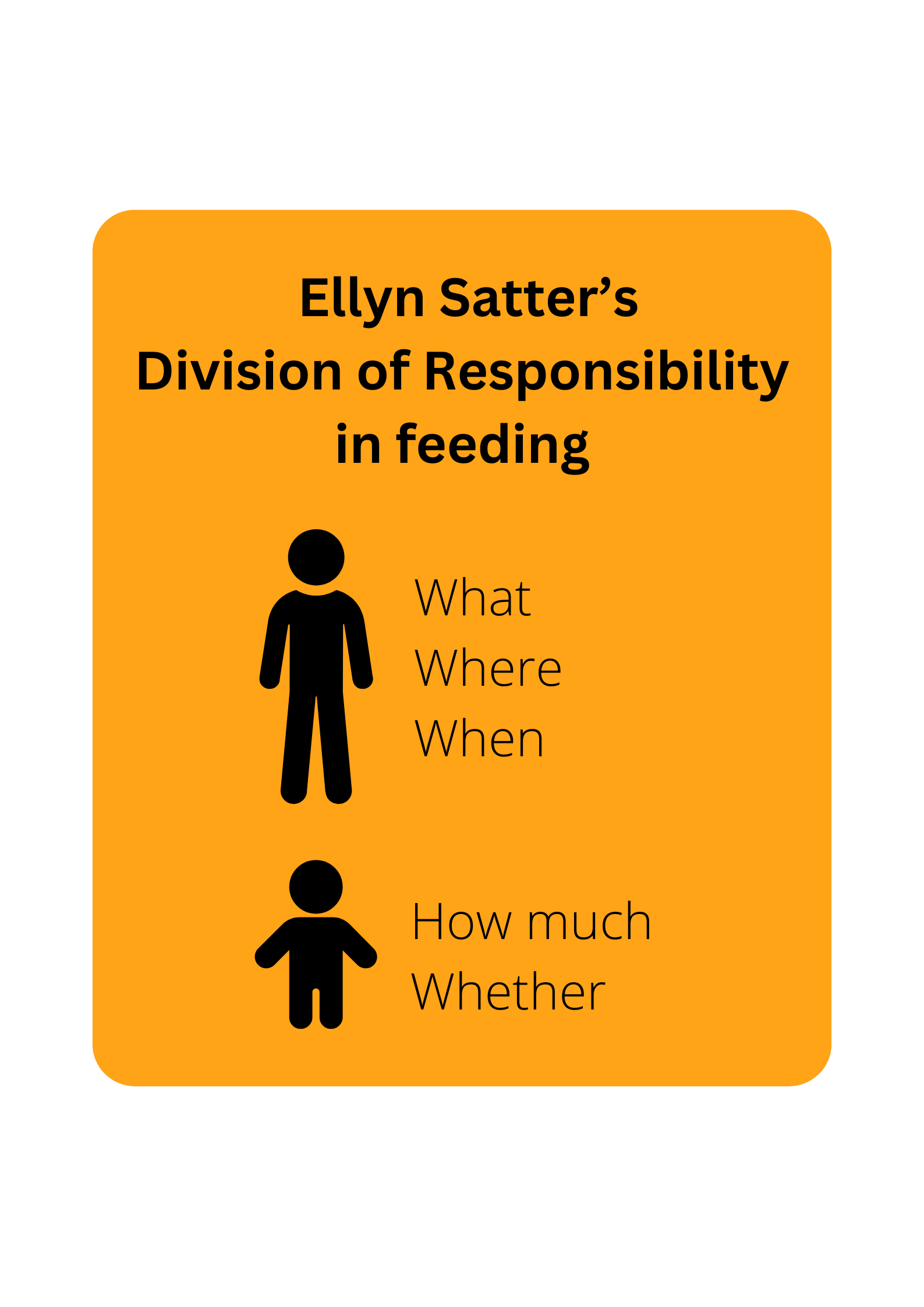
By following these principals, it becomes easier to avoid so much UPFs in the child’s regular diet because the adult will decide what is on offer and the child will then choose from options the adult deems healthy.
I know this is so much easier said than done. I wrote many other articles addressing that. Have a little browse through the blog. Today’s article is about highlighting the importance of reducing the amount of UPFs in children’s diet 😉.
Thirdly, the Canadian researchers of reference #4 also estimated that by replacing 10% of UPFs with minimally processed foods (e.g. fruit, vegetables, meat, grains) improved all scores assessing behaviour. This means that it could be possible to improve a child’s behavioural, emotional and mental health development by reducing UPFs and increasing whole foods in the diet (4). So, if your child is stuck with just too many of ultra-processed food products, don’t despair, there’s work that can be done to revert it and get them back on track for good development. But the first step is to be aware of the danger so you can avoid it. And that’s what I intended with this article.
references
(1) Ultra-processed foods: what they are and how to identify them. (Commentary, 2019, Brazil)
(2) Impacts of Consumption of Ultra-Processed Foods on the Maternal-Child Health: A Systematic Review. (Study, 2022, Brazil)
(3) Ultra-processed foods and human health – The Lancet Series. (2025)
(4) Ultra-processed Food Consumption and Behavioural Outcomes in Canadian Children. (Study, 2026, Canada)
(5) ‘Junk food’ diet and childhood behavioural problems: results from the ALSPAC cohort. (Study, 2009, UK)
(6) Dietary patterns at age 2 and cognitive performance at ages 6-7: an analysis of the 2015 Pelotas Birth Cohort (Brazil). (Study, 2026, Brazil)
(7) Early Life Added Sugars and Associated Appetite, Satiety, Growth and Adiposity in the First 2 Years of Life. (Study, 2026, Mexico)
(8) An mHealth Intervention to Reduce the Packing of Discretionary Foods in Children’s Lunch Boxes in Early Childhood Education and Care Services: Cluster Randomized Controlled Trial. (Study, 2022, Australia)
(9) Dietary patterns and nutritional composition of packed lunches in early years education settings. (Study, 2026, UK)
(10) Secrets of Feeding a Healthy Family. (Book, 2008, USA)