Welcome to Inspiration Station
Hunger vs Fullness
Many adults find it troubling to trust children’s capacity to follow their body’s hunger signals and feel like they have to make sure the little ones won’t go hungry by pressuring them to eat. This article shows an example of how unnecessary that is.

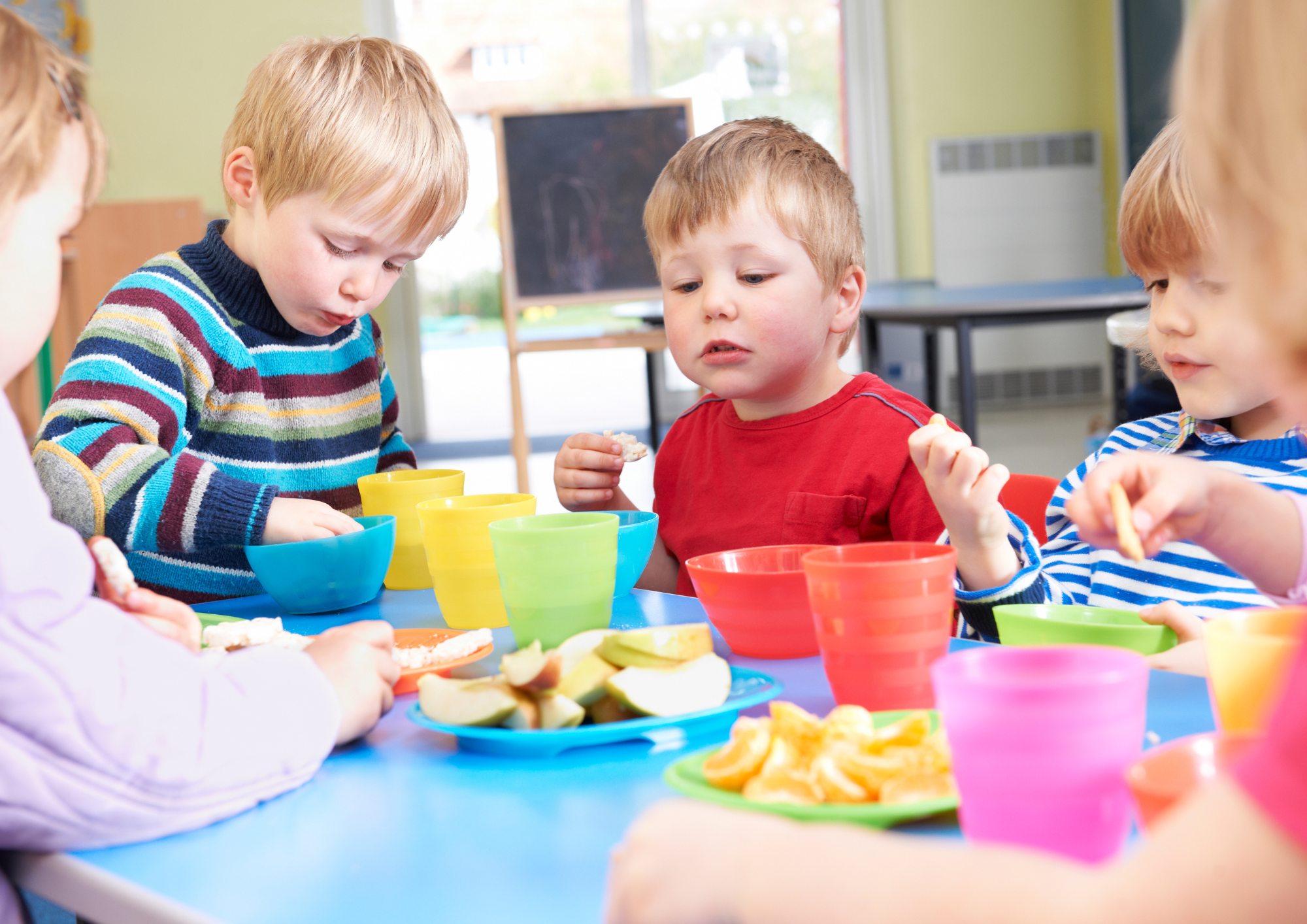
Morning Tea
The well-intentioned yet unhelpful attitude that is most common at mealtimes with children: encouragement to eat. This daycare morning tea experience is a good illustration of it.

Monkey See, Monkey Do! – Role Modelling and Children’s Eating
Showing how it’s done is the best way to teach a young child how to do things. This applies to eating as well. So, how can we expect children to eat their veggies if we don’t eat ours?

The Reasons for Worry and Fuss at Dinner
A child who struggles to eat has a reason for that behaviour. A mother who worries about it also has a reason to worry. They both need support from those who know better and have the opportunity to help mother and child to do better at mealtimes.

Food Refusal
It’s not about the food. There’s more than meets the eye when it comes to children’s food refusal. Let’s have a look at a few reasons children may refuse to eat their meals.

“I Want Something Else”: How to Handle Meal Replacements
The frustration of having to put a sandwich together in a flash because your little one doesn’t want to eat dinner, they “want something else”. There’s a cost, high in the long run, with this habit. This article gives you a bit more insight and reassurance about how to handle it.

3 Things to Try Tonight at Dinner
Three powerful habits worth putting some effort to cultivate to help children develop a palate for those foods we want them to eat. Try them tonight.

Strategies For Conflict-Free Dinners
Conflict, arguments, tears at dinner time are a constant in many households with young children. Even parents who will only have occasional dramatic episodes of dinner refusal know very well how difficult it can be to keep cool. This article shows some strategies that you can use to avoid it to happen in the first place.


“If You’re Full, You Can Leave The Table.”
A meal that ends with smiles is a successful one. There’s nothing wrong with simply saying “If you’re full, you can leave the table.”

Not A Fussy Eater, But Still Making A Fuss.
Children aren’t natural fussy eaters. There is always a reason (or reasons) for their “bad” behaviour at the table and it is the adult’s job to find out what it is and address it appropriately to support their little one’s development.
