Welcome to Inspiration Station

Lactose-Free Doesn’t Have to Mean DAIRY-FREE
Many early childhood educational services (daycare, preschool) have a dairy avoidance or ban approach to allergy management. This article discusses the problems with this practice and practical alternatives to keep nutritious dairy on the menu.

3 Tips to Get That Lunchbox Eaten
Confused and tired parents struggle to put together a lunchbox that will be accepted “socially” and eaten by their main client: their child. This article gives away three practices that can help you do just that.

How to Approach Fussy Eating with Families
Early learning professionals often ask me for suggestions on how to approach parents to talk about their children’s avoidant eating behaviour. I wrote some in this article.

3 Things to Try Tonight at Dinner
Three powerful habits worth putting some effort to cultivate to help children develop a palate for those foods we want them to eat. Try them tonight.

More Nutrition, Less Food Waste in Childcare
As providers of nourishment to young minds, it is crucial for childcare services to prioritize the health of children while also being mindful of minimising food waste. I’ve been talking to childcare centre directors and chefs and it is very often that this concern comes up. In this article, we explore practical strategies to help you enhance the nutritional value of meals while reducing food waste in your kitchen.

Strategies For Conflict-Free Dinners
Conflict, arguments, tears at dinner time are a constant in many households with young children. Even parents who will only have occasional dramatic episodes of dinner refusal know very well how difficult it can be to keep cool. This article shows some strategies that you can use to avoid it to happen in the first place.

Mini Pies By Mini Hands
Take advantage of young children’s natural curiosity and facilitate their exploration of foods - especially the foods you want them to eat - in the kitchen. Little hands can do so much…

Runny Nose and Fussy Eating
It's normal that a child who is fighting a bug becomes fussier about their food. They experience it in a different way. It feels different, it feels new, and even unpleasant. This is mostly due to blocked or runny nose, or even anosmia…

Cooking With Children These School Holidays
A few ideas for activities that will keep children busy these school holidays and even help with their food intake. Like the sound of it? Then, keep reading…

Lunchbox Audits
Lunchbox patrolling in educational settings are deceivingly unhelpful and may even send the wrong messages to children and aggravate the very situation educators and teachers are trying to fix.


Snack: a Dirty Word?
Why most people have the view that snack is synonymous with treat? Or junk food?
Non-Feeding Food Exposure (part 2)
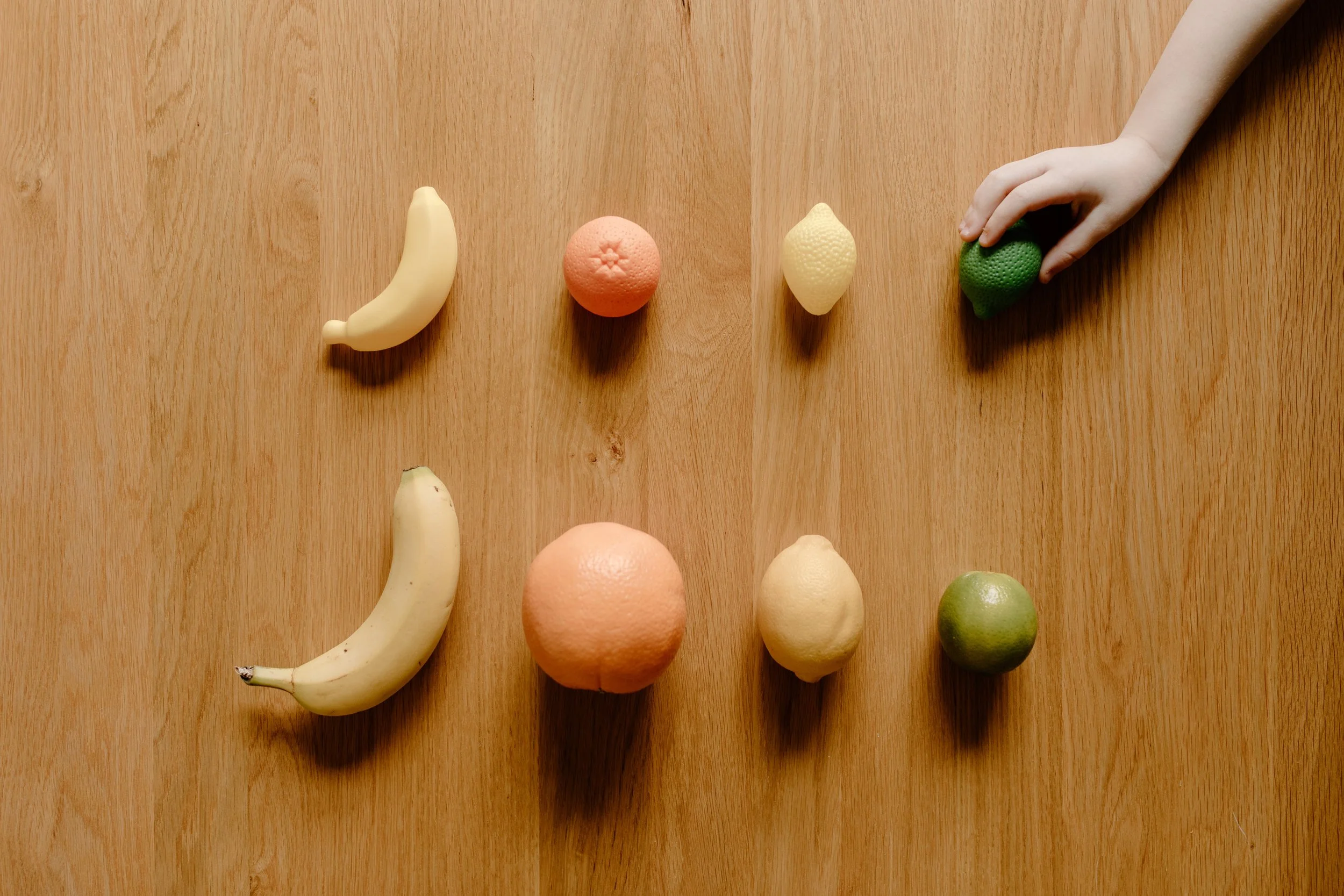
Children are tuned in and alert almost hundred per cent of their awake time. We must remember this as we go about our day around them. And, whenever possible create or enhance their opportunities for learning.

Non-Feeding Food Exposure (part 1)
Children will mostly eat foods they are familiar with, that don’t present [too much] surprise. It feels safe and comfortable that way. They might need a few exposure times until they decide it’s ok to eat.


Let’s Be Food Smart - part 1
With lockdowns and supply shortages, this article has a few suggestions to PLAN and SHOP SMART for you to make the most of the few you may have access these days.


Peer Power
Children can be influenced by their peers on their food choices. It goes both ways: for the good AND for the bad.

“If You’re Full, You Can Leave The Table.”
A meal that ends with smiles is a successful one. There’s nothing wrong with simply saying “If you’re full, you can leave the table.”